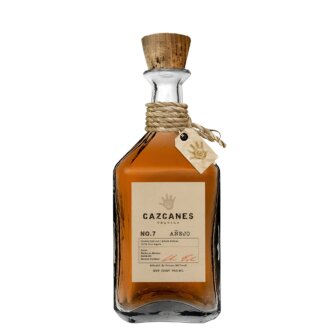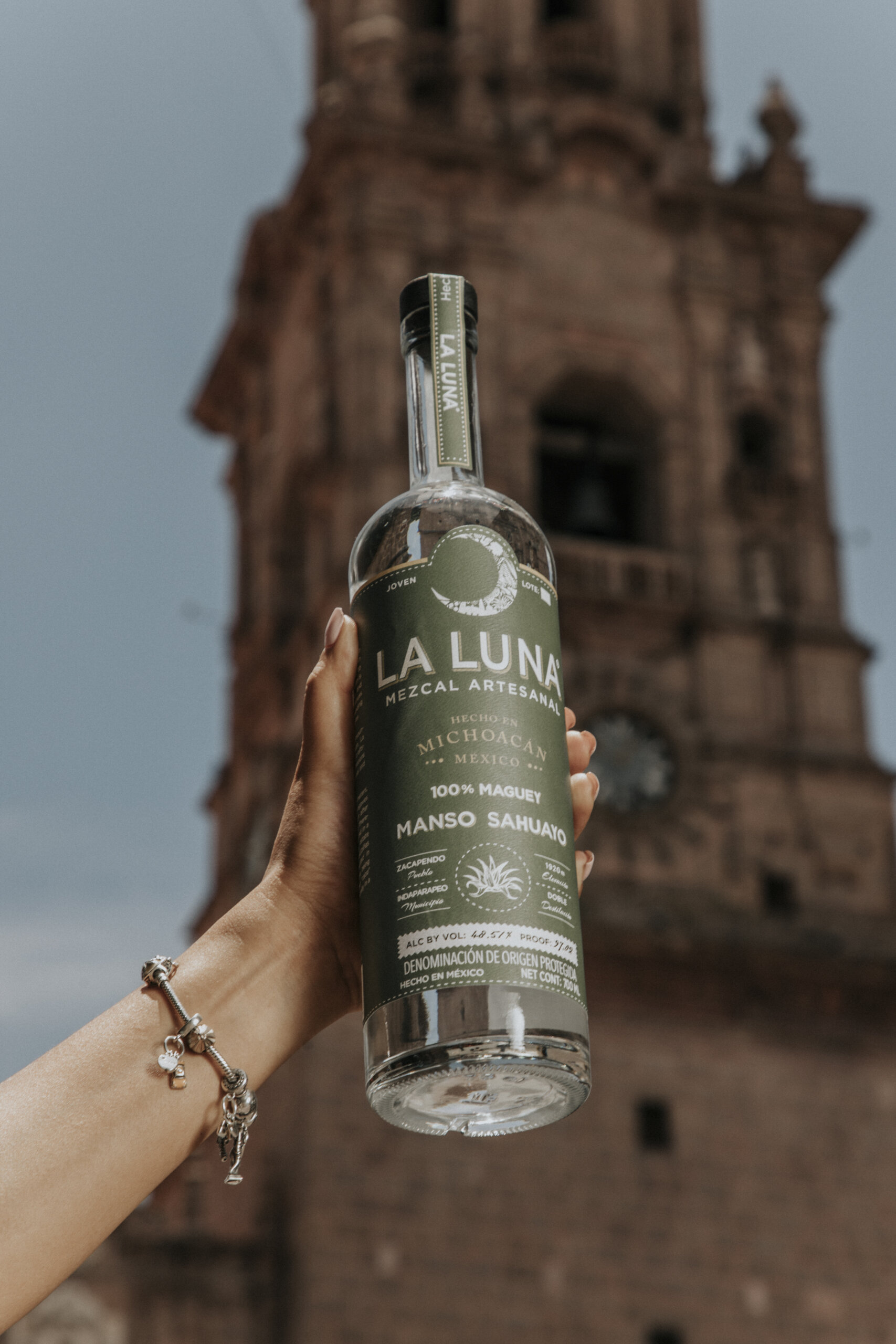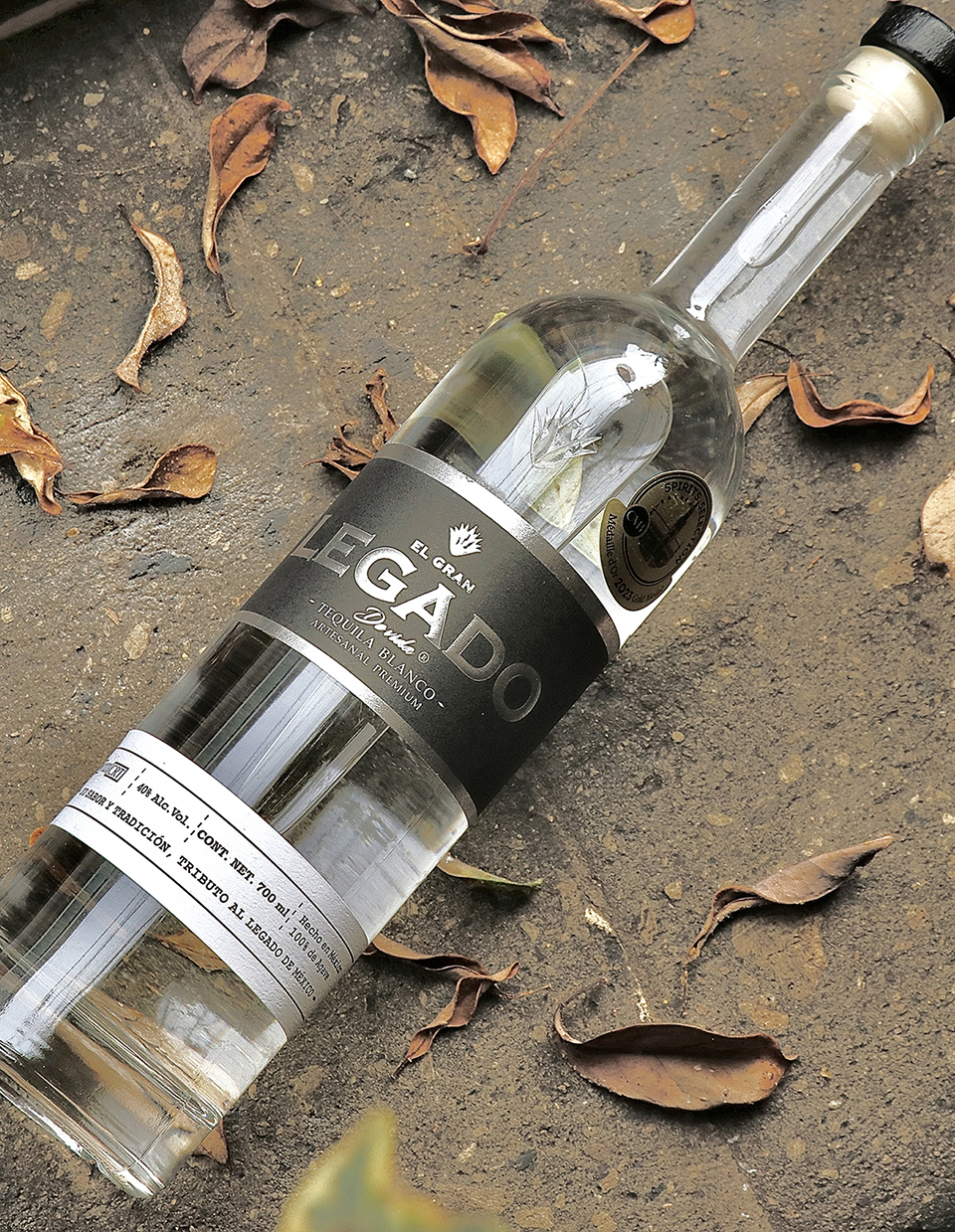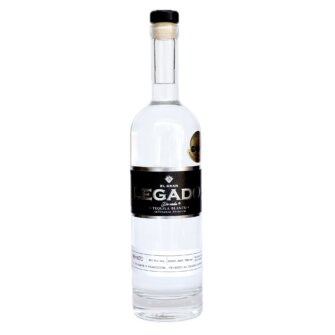
Walk into a stylish cocktail bar in Berlin, Amsterdam, or Copenhagen and you will probably find tequila and mezcal proudly displayed behind the counter. Agave spirits have become fashionable across Europe. Bartenders speak about terroir, smoke, wild agaves, and traditional production methods with the same passion once reserved for whisky or wine.
But what most European consumers do not realize is that they are only seeing a very narrow slice of what Mexico actually produces.
Behind the handful of recognizable labels sits an enormous hidden world of independent distilleries, family producers, and regional projects that rarely make it onto European shelves. Mexico today is home to thousands of tequila and mezcal brands spread across regions such as Jalisco, Oaxaca, Durango, Michoacán, and Guerrero. Yet only a relatively small number achieve meaningful visibility in Europe.
The reason has little to do with quality.
In many cases, the missing brands are producing exceptional spirits using traditional methods, mature agaves, natural fermentation, and small-scale craftsmanship. The real barrier is something much less romantic but far more decisive: infrastructure.
Europe is a difficult market to enter
From a distance, the European market looks accessible. Demand for premium tequila and mezcal continues to grow, cocktail culture is expanding, and consumers are becoming increasingly curious about artisanal spirits.
The reality behind the scenes is far more complicated.
Selling alcohol inside the European Union involves layers of regulation that can overwhelm producers who are accustomed to operating locally or exporting only occasionally. Moving bottles from Mexico into Europe is not simply a matter of shipping containers and finding buyers.
Before a single bottle reaches a customer, producers often need to navigate VAT structures, excise regulations, bonded warehousing, customs procedures, fiscal representation, and cross-border logistics systems.
Every country introduces its own administrative details. Warehousing rules differ. Reporting systems differ. Tax handling differs. Ecommerce compliance differs.
For many independent producers, the operational side of expansion becomes more challenging than production itself.
Great spirits alone are no longer enough
There was a time when exceptional quality could open doors on its own. Today the European spirits market operates differently.
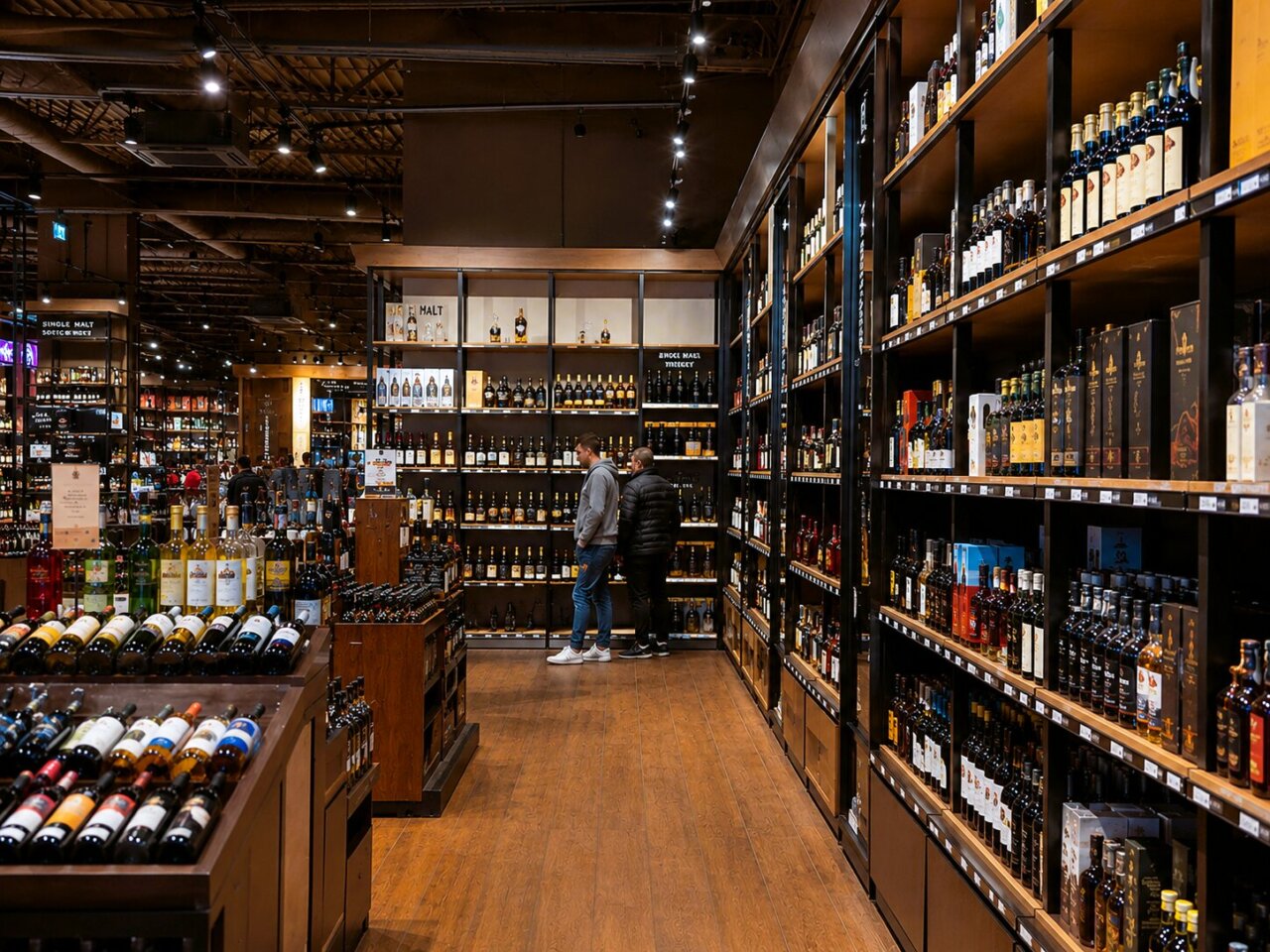
Importers and distributors receive constant offers from brands trying to enter the market. Shelf space is limited. Restaurant groups carefully manage their portfolios. Retail chains avoid unnecessary operational complexity.
As a result, buyers evaluate far more than flavor.
Can the producer maintain reliable inventory levels? Can they handle consistent export documentation? Do they have logistics support inside Europe? Can they scale if demand suddenly increases? Is there marketing support? Is the pricing sustainable after taxes, freight, warehousing, and distribution margins?
These questions often decide the future of a brand long before consumers ever taste the liquid.
This explains why many outstanding tequila and mezcal producers remain nearly invisible outside Mexico while larger industrial brands dominate visibility across airports, supermarkets, and hotel chains.
The hidden power of operational infrastructure
In today’s agave industry, infrastructure has quietly become one of the most valuable assets a brand can have.
The producers achieving long-term success in Europe are usually the ones connected to systems already capable of handling compliance, importation, warehousing, fulfilment, and multi-country distribution.
Without this structure, expansion can become fragmented and expensive very quickly.
A producer may succeed in one country but struggle to expand further because every additional market introduces new operational layers. Managing excise obligations across several jurisdictions while coordinating logistics and ecommerce fulfilment can become extremely resource-intensive for smaller teams.
This is why many brands now look for integrated European partners rather than building the entire system independently from the ground up.
A new model for agave distribution in Europe
Companies such as Artesario focus specifically on solving this infrastructure problem for tequila and mezcal producers.
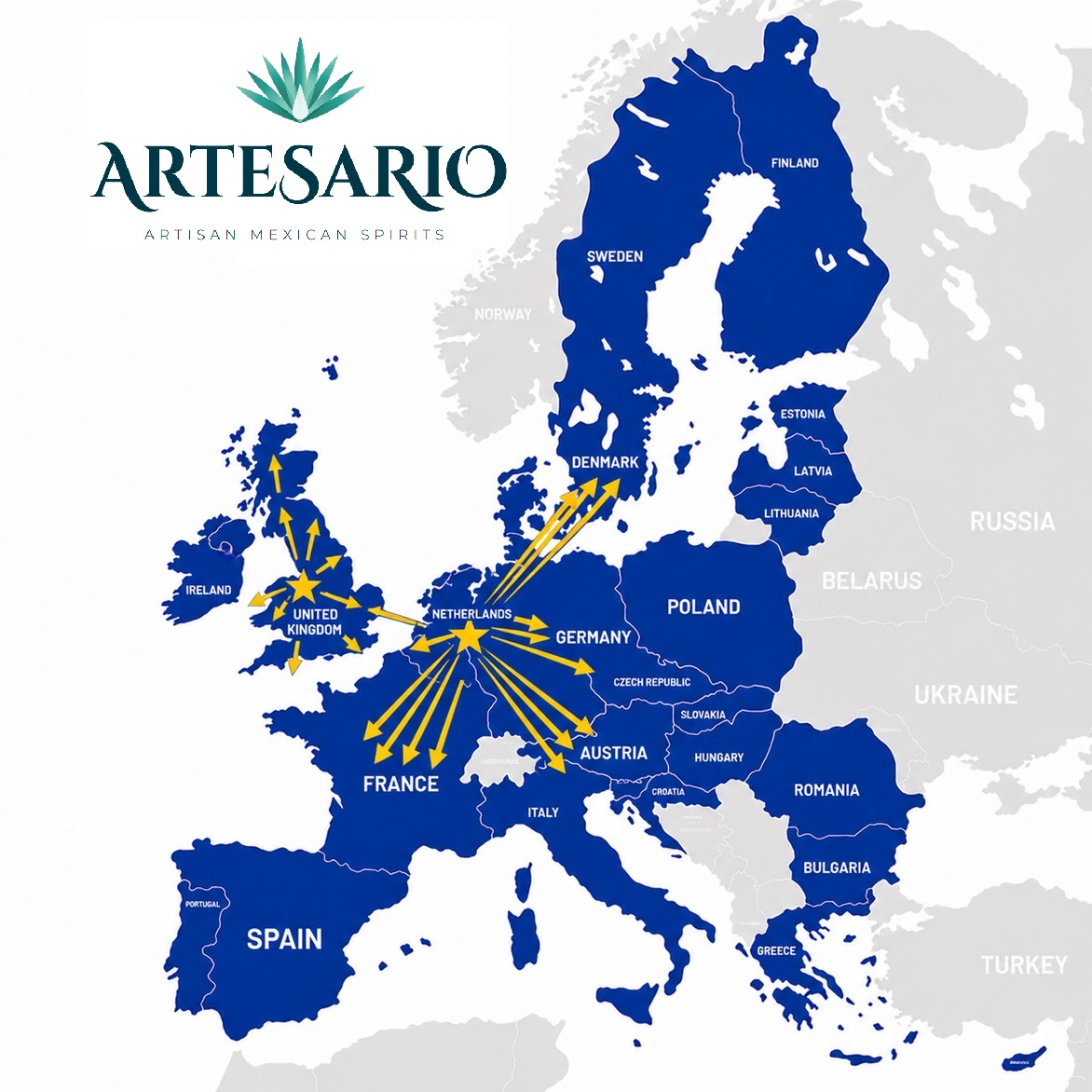
Instead of acting only as a traditional importer, the model combines operational support with direct market access across multiple European countries.
This includes bonded warehousing, excise and VAT handling, customs coordination, ecommerce fulfilment, B2B distribution support, and multi-market logistics management inside Europe and the UK.
The advantage is not only administrative simplicity. It also allows producers to reach consumers more directly while reducing dependence on long chains of intermediaries that can compress margins and weaken brand positioning.
The network already operates through localized platforms in several European markets, including:
- Austria: artesario.at
- Germany: artesario.de
- France: artesario.fr
- Belgium: artesario.be
- Netherlands: artesario.nl
- Denmark: artesario.dk
- United Kingdom: artesario.uk
Europe’s agave future is still largely undiscovered
European interest in tequila and mezcal continues to accelerate, but the market is still in an early stage compared to the diversity available in Mexico itself.
Most consumers have only begun to explore what agave spirits can offer. Entire categories of regional production, ancestral techniques, rare agaves, and independent distilleries remain almost unknown outside Mexico.
The next phase of growth will likely belong not only to brands with great products, but also to those capable of building or accessing the infrastructure needed to operate internationally at scale.
Because in modern spirits distribution, visibility is no longer determined only by what is inside the bottle.
It is determined by the system that allows the bottle to move across borders, enter markets, reach shelves, and ultimately reach the consumer.
Artesario helps agave producers enter and scale across Europe through an integrated operational network covering bonded warehousing, compliance, fulfilment, and multi-country distribution.
For producers looking to expand into Europe efficiently while maintaining stronger margins and direct consumer access, the opportunity is still wide open.