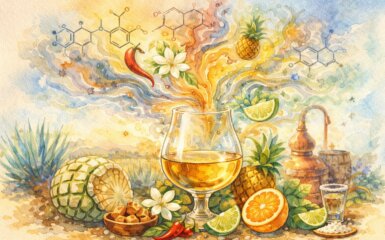
Have you ever wondered how much agave goes into making that smoky, complex glass of mezcal you love? The answer isn’t just about quantity—it’s a reflection of centuries-old traditions, the unique terroir of Mexico, and the careful craft of mezcaleros. In this article, we’ll dive into the agave-to-mezcal process and discover the intricate balance that goes into every drop.
Agave Consumption
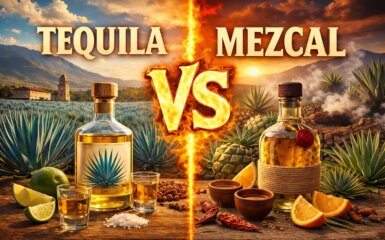
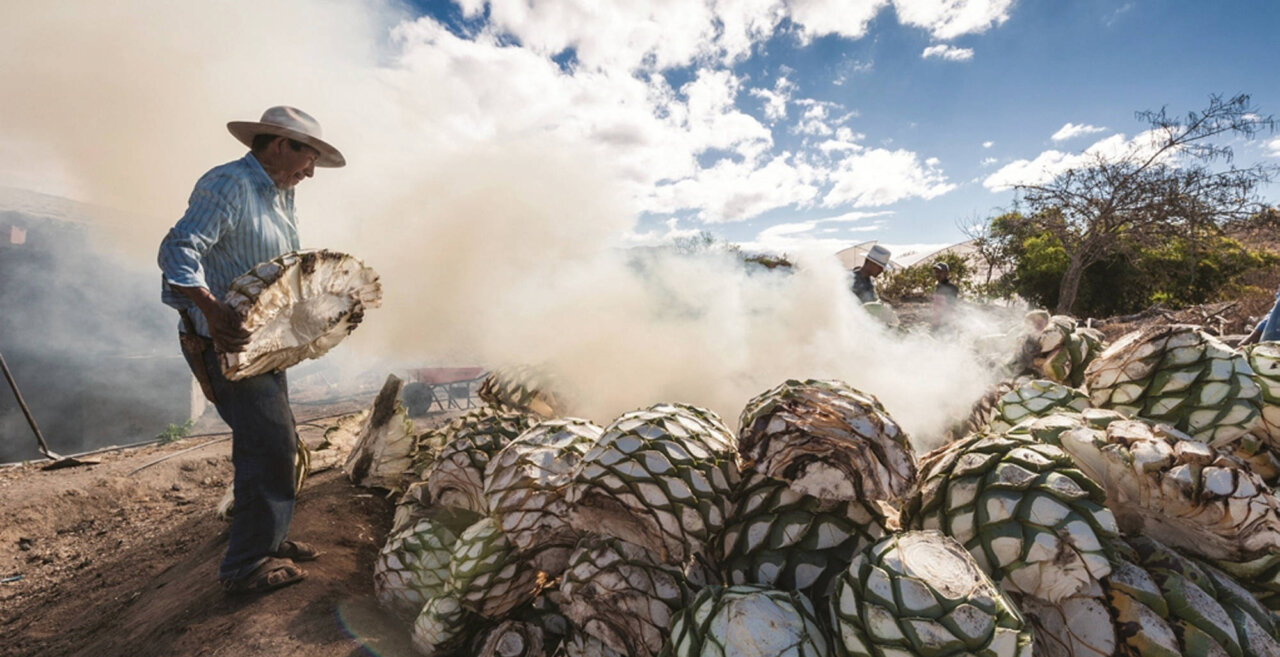
To produce one liter of 100% agave mezcal, a distillery typically requires 7 to 10 kilograms of mature agave piñas. This can vary depending on several factors, such as the agave variety, sugar content, and production methods. Mezcal is traditionally made from a variety of agave species, unlike tequila, which uses only blue Weber agave. Higher sugar content in the agave (measured in Brix) means more fermentable material, while lower Brix agave will need more raw material to achieve the same yield.
Interestingly, some mezcal producers opt to use wild agave species, which can be rarer and require more time to mature. This contributes to the rich, diverse flavors that mezcal is known for.
Water and Other Inputs
Water plays a key role in multiple stages of mezcal production:
- Cooking: The agave piñas are cooked in traditional earth pits, stone ovens, or autoclaves, where steam breaks down the starches into fermentable sugars.
- Fermentation: Water is mixed with the cooked agave to help dilute the sugars and facilitate fermentation by natural or cultivated yeast.
- Distillation: After fermentation, the mezcal undergoes double or even triple distillation, during which water is added to adjust the alcohol content.
On average, it takes about 12 liters of water to produce just one liter of mezcal, highlighting the resource-intensive nature of the craft.
Production Efficiency
The process of making mezcal is highly dependent on the methods used. Traditional methods—such as pit roasting and tahona milling (using a massive stone wheel)—are labor-intensive but bring out the unique smoky and earthy flavors that mezcal is known for. These methods often require more agave, but the result is a spirit with depth and complexity that cannot be replicated by industrial machines.
In contrast, modern techniques like autoclaves and roller mills are faster and more efficient but can lead to a more neutral flavor profile. Many premium mezcal producers, however, stick to traditional methods to maintain the authenticity of the drink.
The Role of Aging
Just like tequila, mezcal can be aged, and if it’s a Reposado, Añejo, or Extra Añejo, some of the product is lost through evaporation—known as the “angel’s share.” Aging also plays a significant role in flavor development, with the spirit often picking up woody, floral, or even caramel notes, depending on the barrels used.
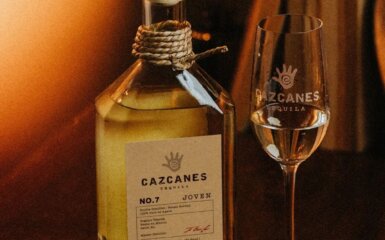
Aging mezcal, however, can lead to reduced yields and additional cost, which is why many producers choose to offer younger expressions (Joven), which showcase the vibrant and raw flavors of freshly distilled mezcal.
Final Thoughts
Next time you sip on mezcal, think about the journey it took to get there. From the sun-drenched agave fields to the labor-intensive processes that turn humble plants into a spirit with centuries of history, mezcal is more than just a drink—it’s a story of craftsmanship, tradition, and culture. With each glass, you’re not just tasting agave; you’re tasting Mexico. So, what do you think? Does knowing the amount of agave and the care involved change how you experience mezcal? With all the hard work and tradition packed into every bottle, maybe you’ll find yourself savoring it just a little bit more.