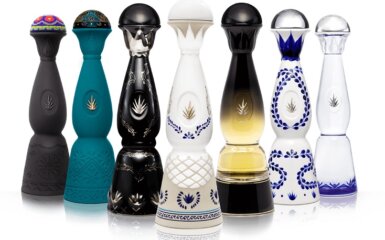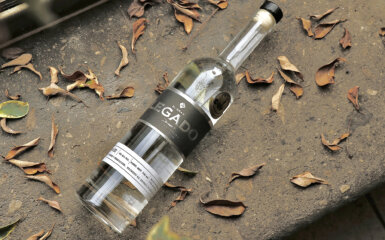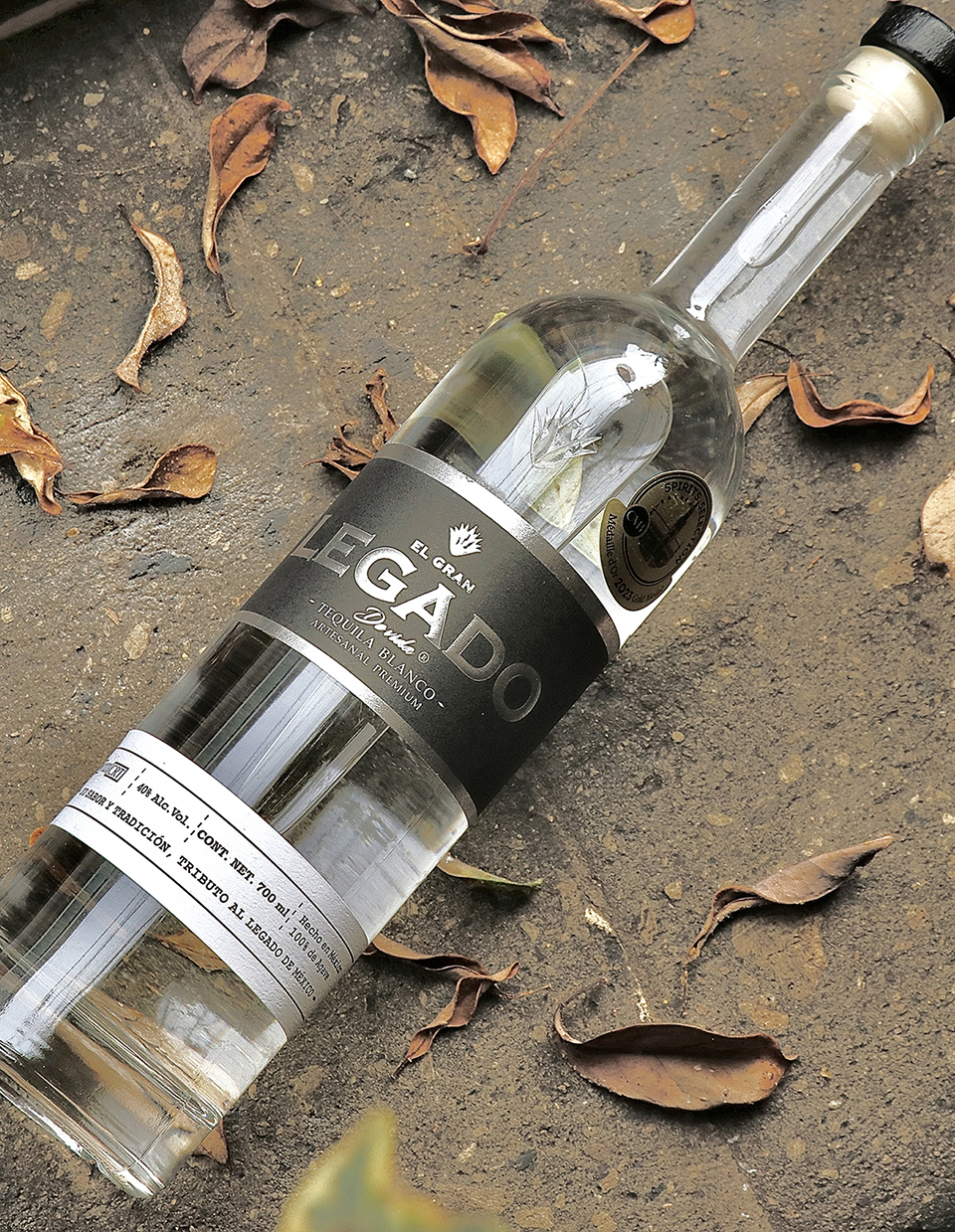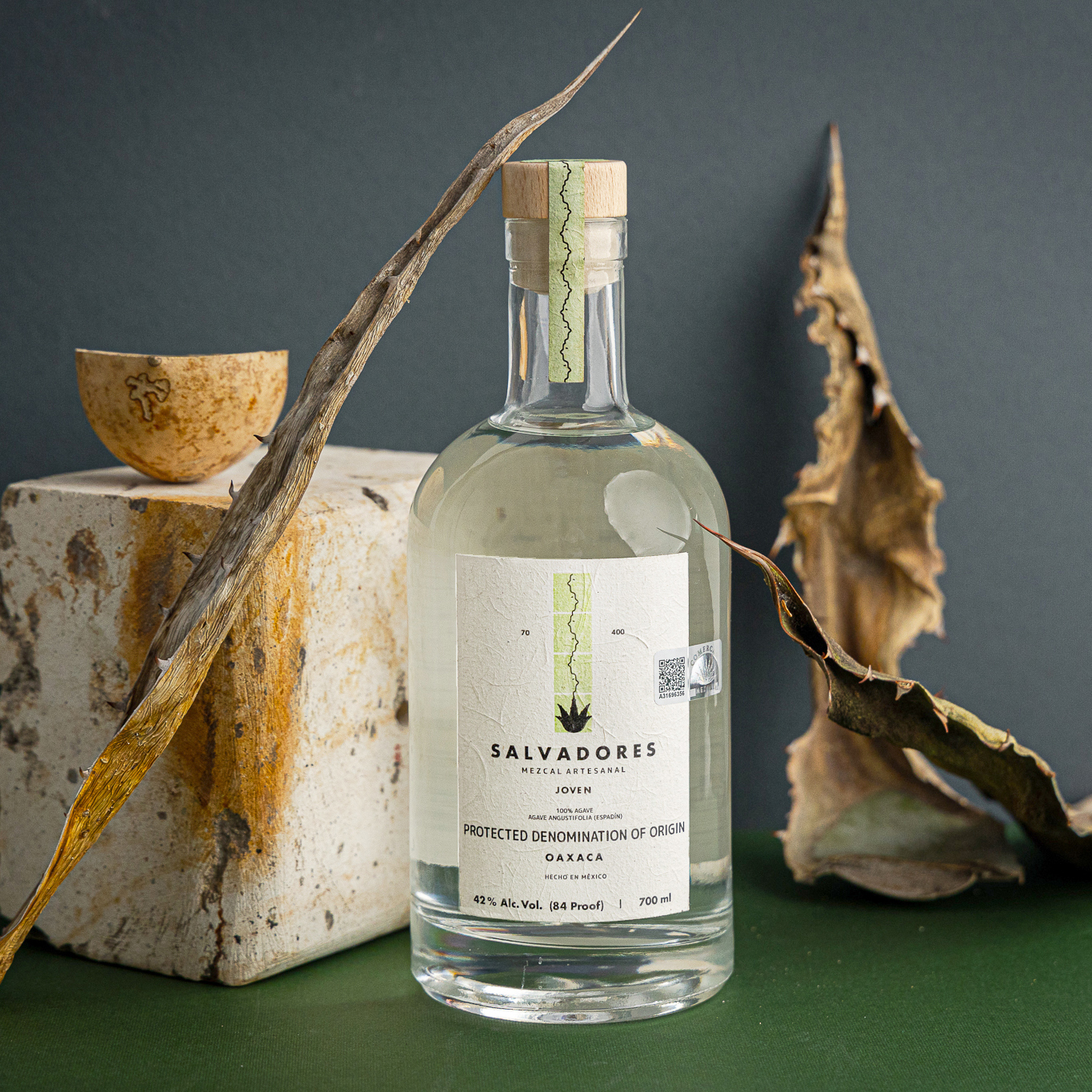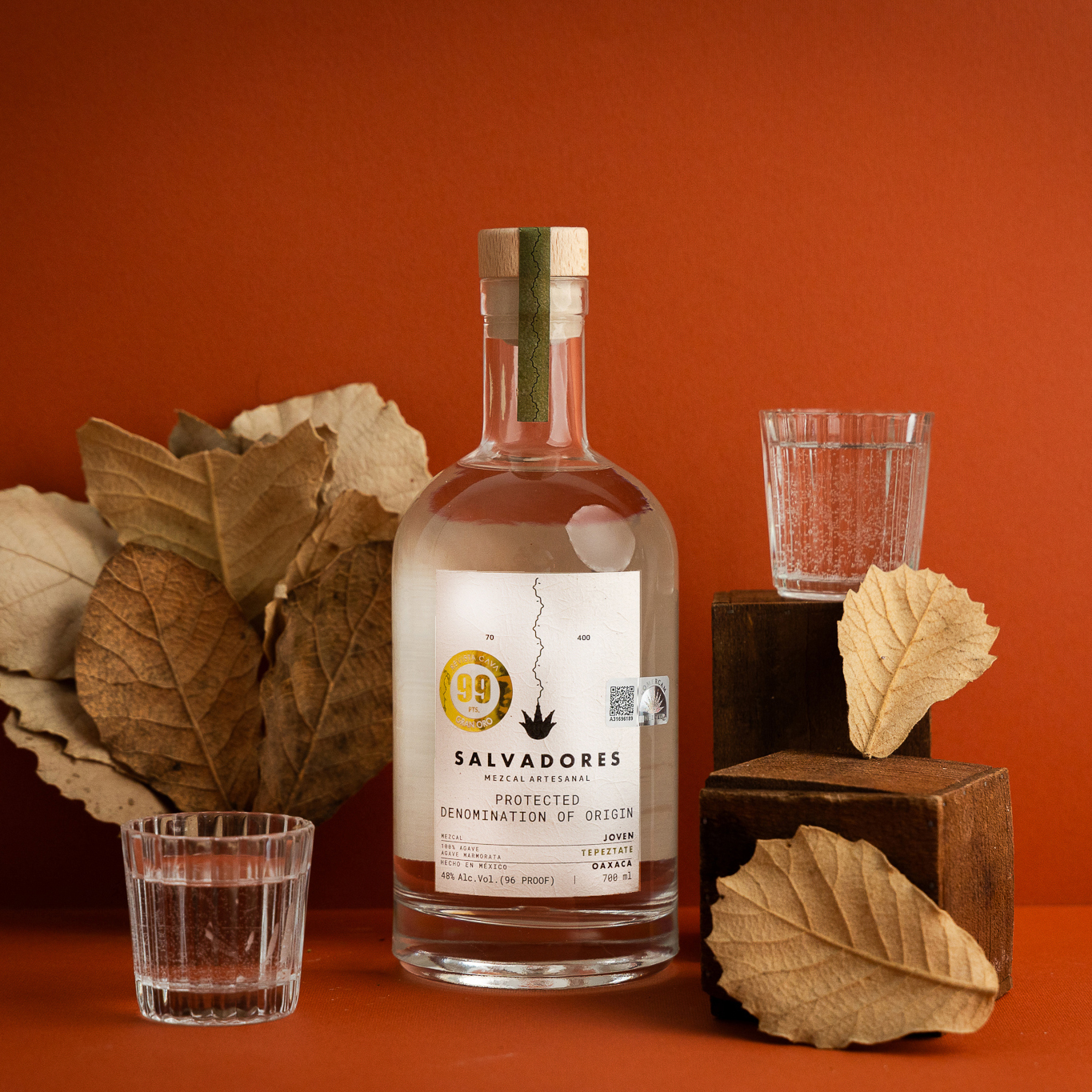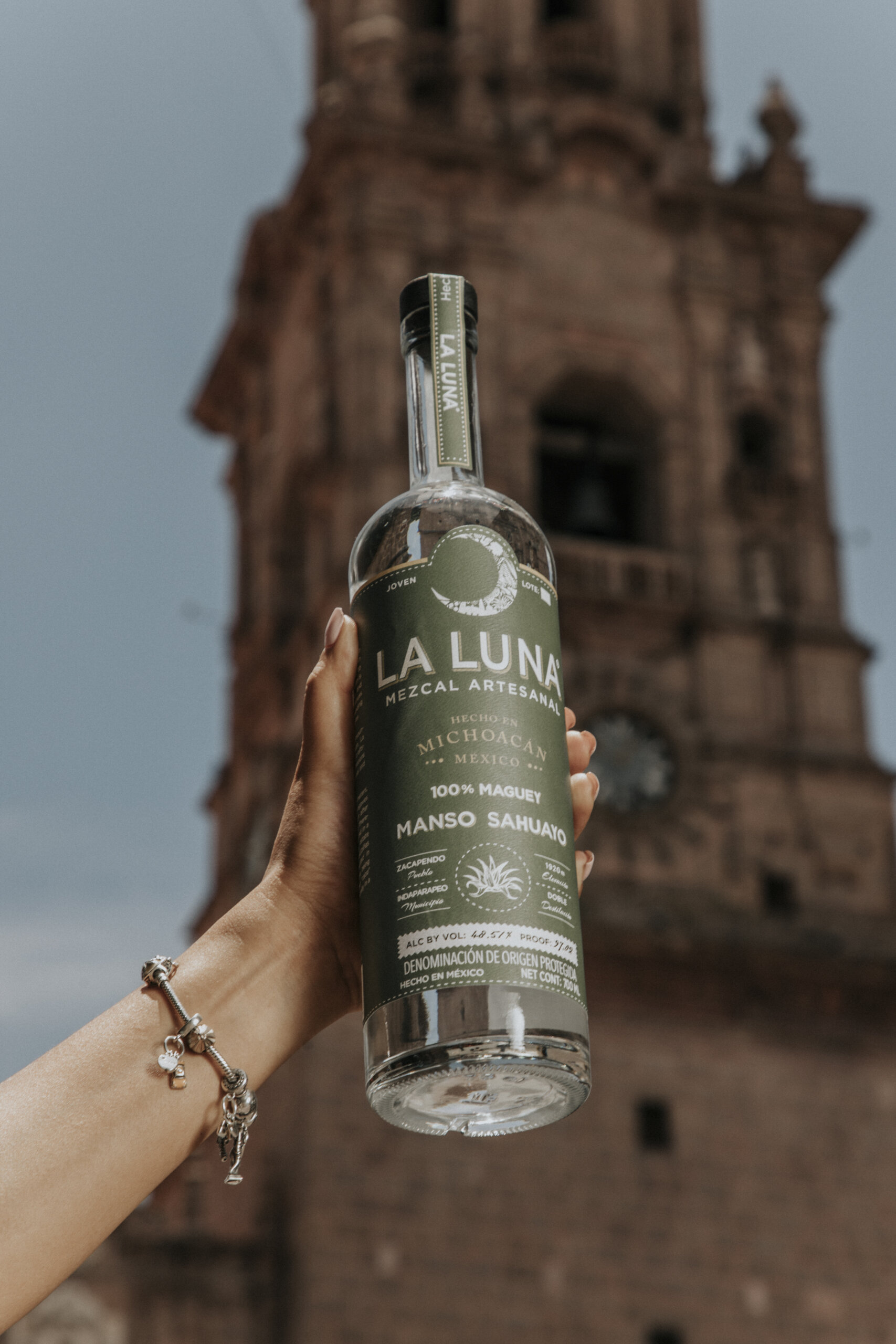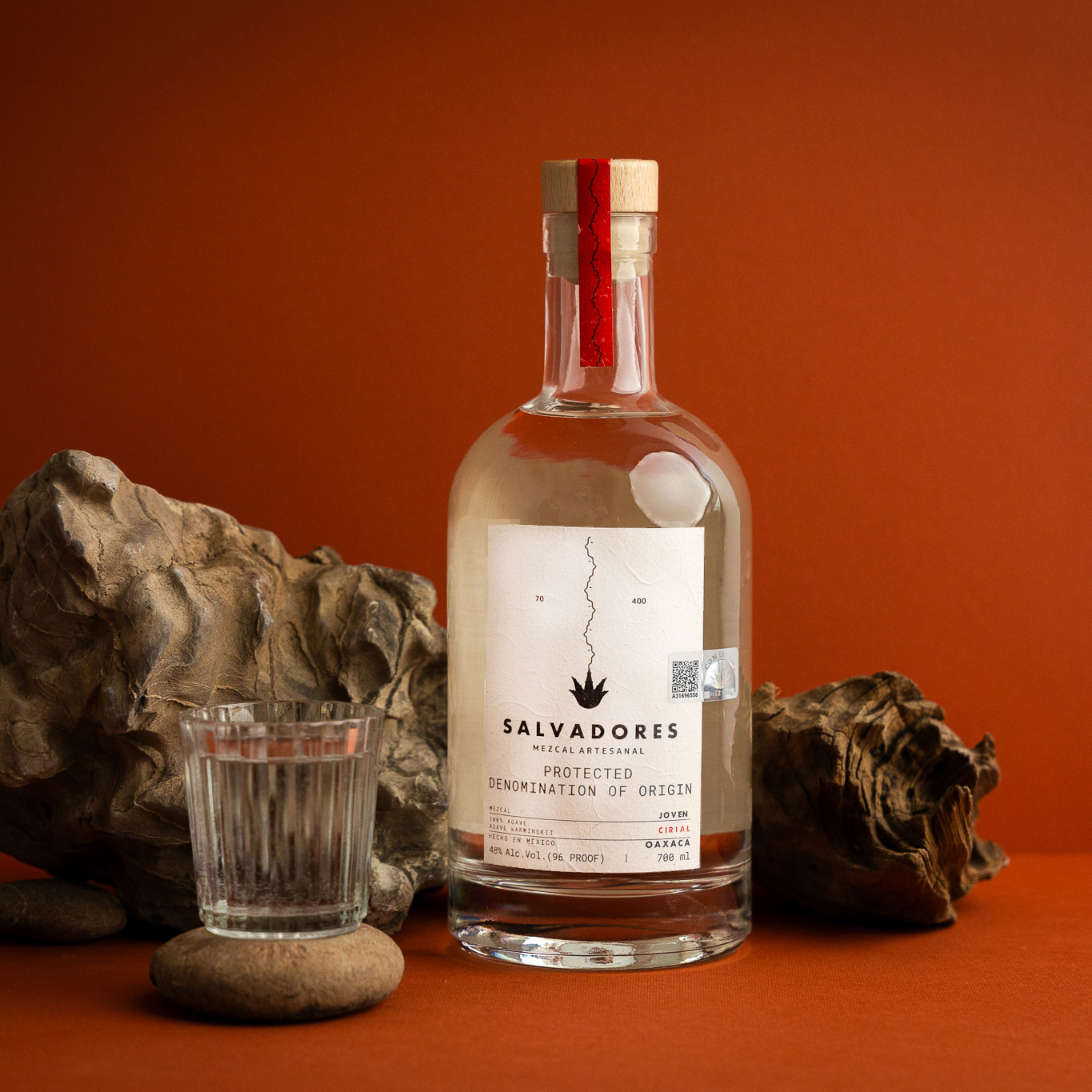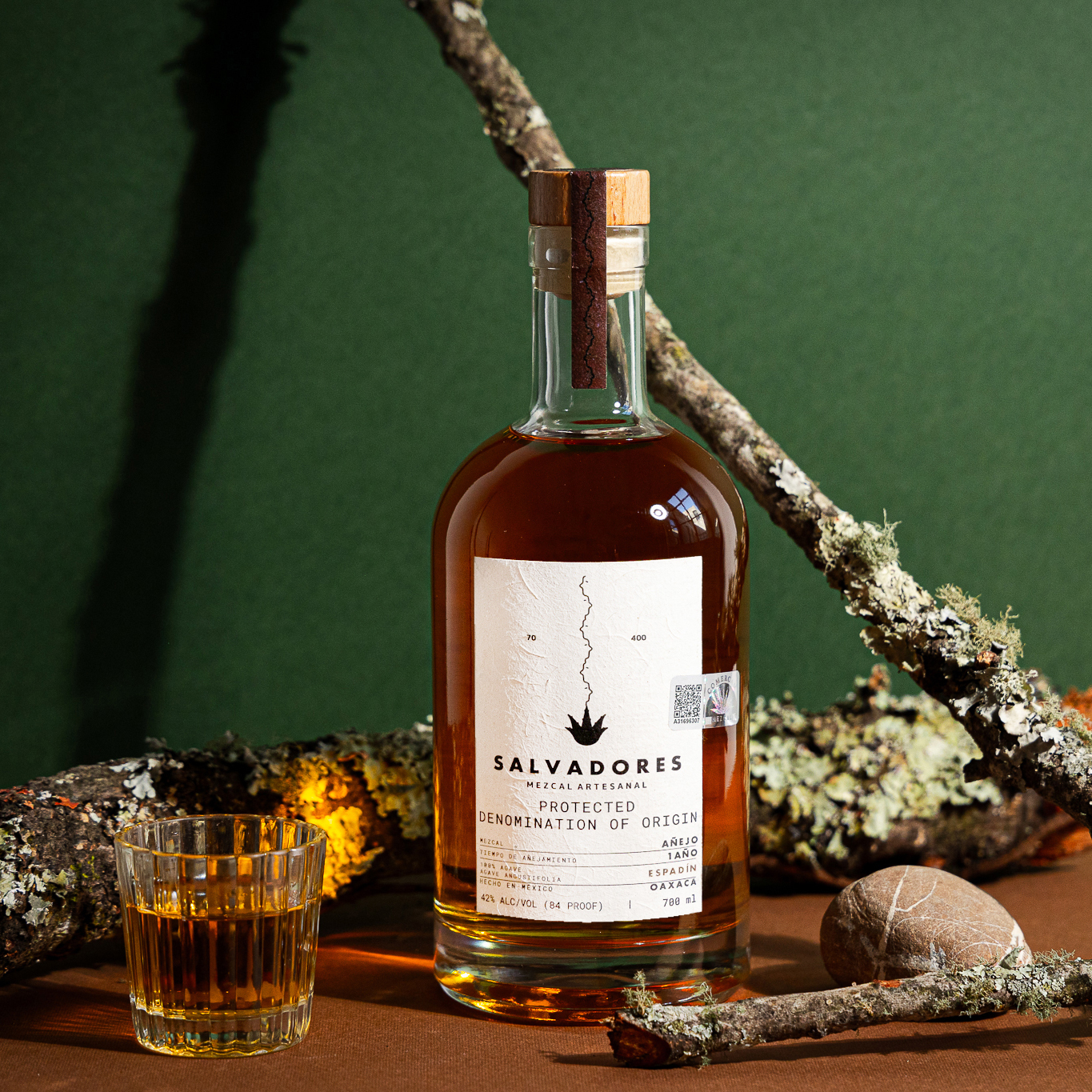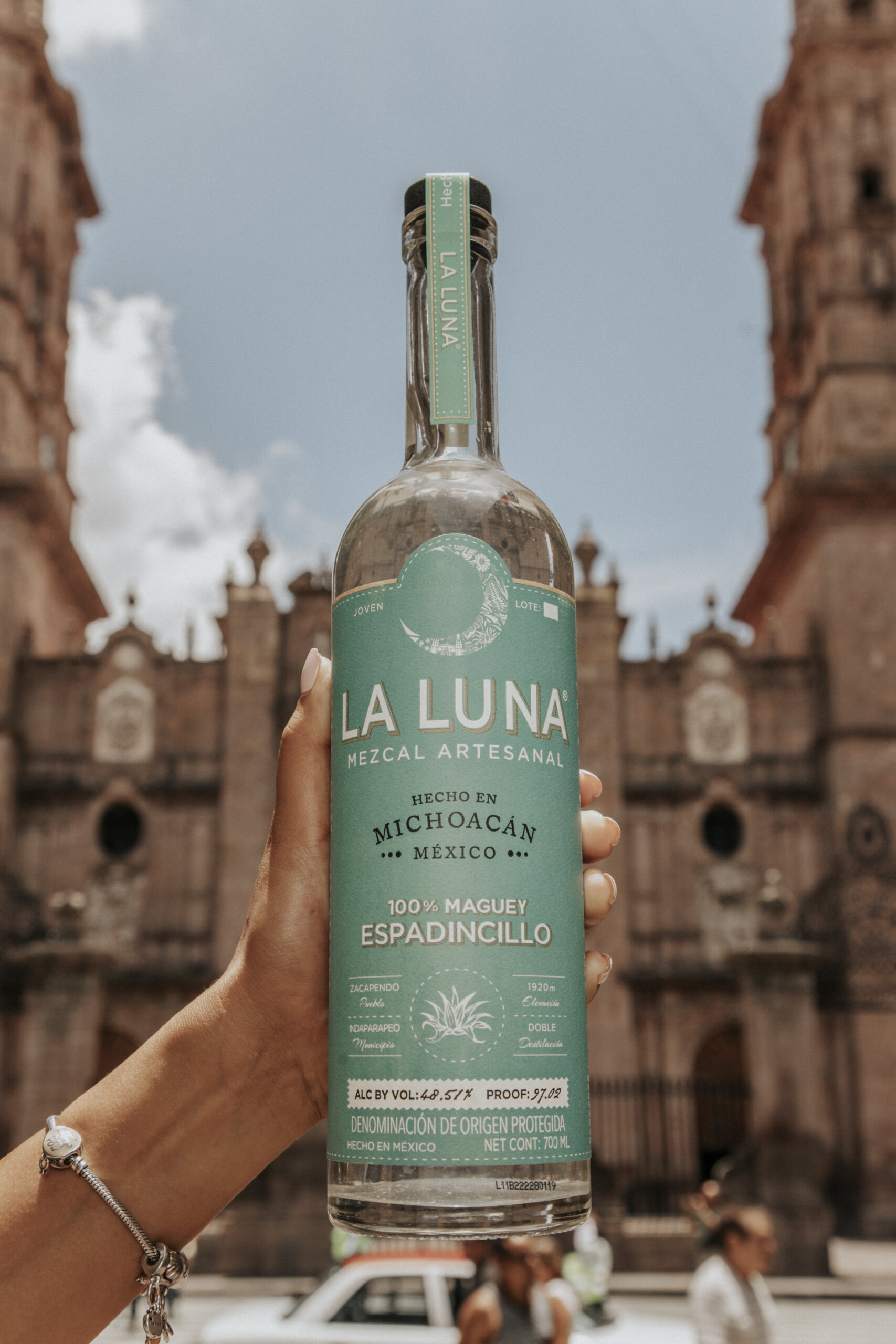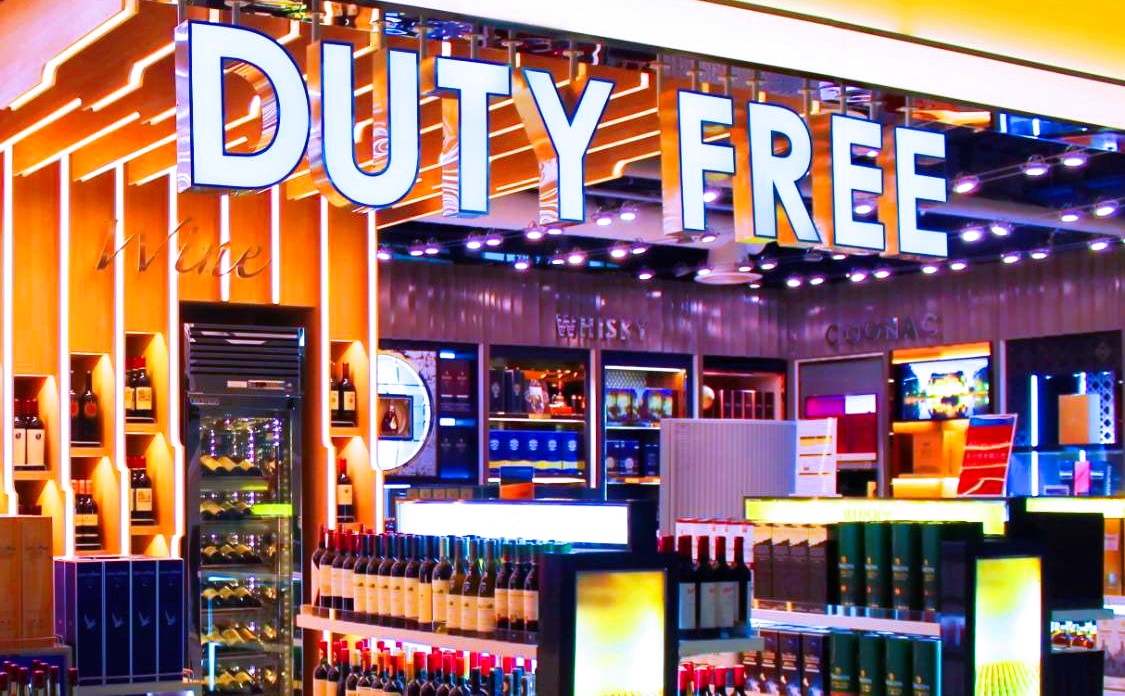
Step into almost any airport duty-free shop in Europe, and you’ll notice something curious: the tequila section is surprisingly small. One might expect dozens of bottles showcasing the rich variety of Mexico’s finest agave spirits, but in reality, shelves usually feature only a handful of familiar brands. Why is that? The reasons are rooted in retail strategy, traveler behavior, and strict regulations — not because retailers aren’t adventurous.
Space Is at a Premium
Airport retail is a high-stakes game. Every square meter of shelf space costs money, and spirits compete with perfumes, cosmetics, confectionery, and other liquor categories for attention. With limited room, buyers must prioritize products that sell fast and have strong brand recognition. While tequila has grown in popularity globally, only the top-selling brands make the cut in duty-free stores. New or niche brands simply don’t get the space they need to shine.
The Risk of Unsold Stock
Tequila isn’t cheap, and neither is the inventory. Each unsold bottle represents a direct financial loss for the retailer. Airport shoppers are usually in a hurry, making quick decisions, and often gravitate toward brands they already know. As a result, buyers prefer products with a proven track record — the same brands that are already popular in the USA and Mexico. These markets are the most important for tequila because the USA is the largest consumer of tequila globally, while Mexico is the birthplace of tequila, where both quality standards and customer expectations are extremely high. Success in these markets signals that a brand is trusted by the most demanding consumers, reducing risk for duty-free retailers when introducing products in Europe. Unknown brands may have incredible flavor or craftsmanship, but without strong sales data from these key markets, they’re too risky to stock in duty-free stores.
Traveler Preferences Drive Choices
Duty-free shops are designed for convenience. Travelers want recognizable names, premium labels, or exclusive airport editions they can gift or enjoy later. Research shows that 70–80% of tequila sales in duty-free shops come from just five to ten top brands. This trend reinforces the cycle: buyers stock what they know will sell quickly, keeping the selection tightly focused.
Regulations and Compliance
Adding another layer of complexity, each tequila SKU must meet strict EU and UK labeling, excise, and import regulations. Every bottle undergoes legal review and clearance before hitting the shelves. For small producers or emerging brands, navigating these rules can be challenging. Established brands already have compliance processes in place, which makes them safer bets for duty-free operators.
Supplier Capabilities Matter
Finally, buyers look for suppliers who can guarantee consistent volume, timely delivery, and marketing support. Duty-free retailers operate on large-scale contracts, and brands that can’t meet these requirements often don’t make it onto the shelves. This is another reason the selection is limited to familiar names with proven performance.
Conclusion
The limited tequila assortment in duty-free shops is not a flaw, but a strategy. Retailers carefully balance shelf space, traveler preferences, financial risk, and regulatory requirements. For travelers, this means they’ll usually find the most popular and trusted tequila brands, ready for gifting or enjoying back home. For smaller tequila and mezcal producers, the takeaway is clear: entering the duty-free market requires building brand recognition, regulatory compliance, and strong supply capabilities.
Next time you stroll past the tequila shelf in an airport, you’ll know the story behind those few bottles — each one chosen carefully to satisfy millions of travelers while minimizing risk for the retailer.