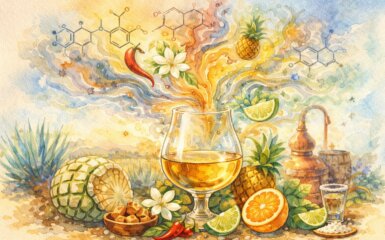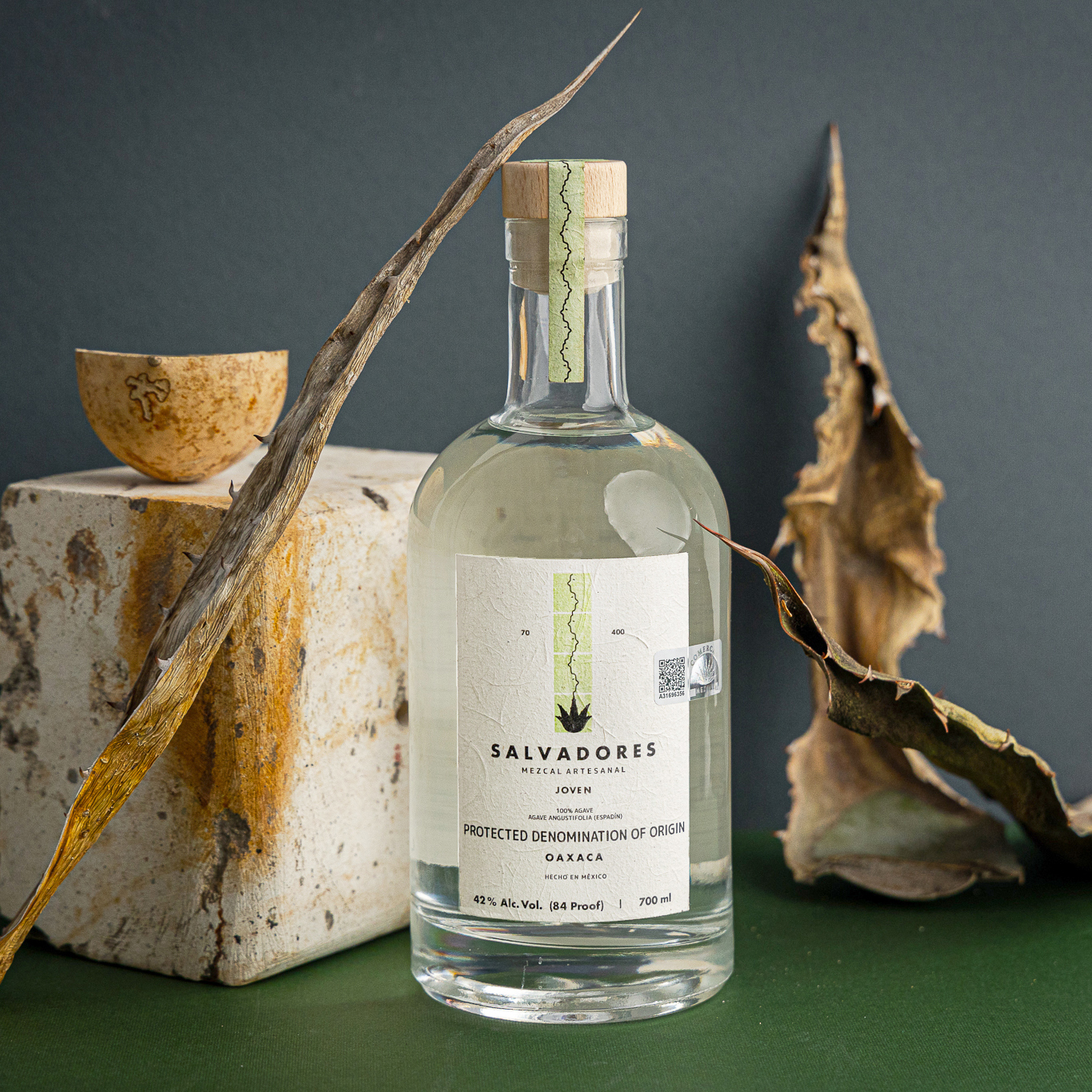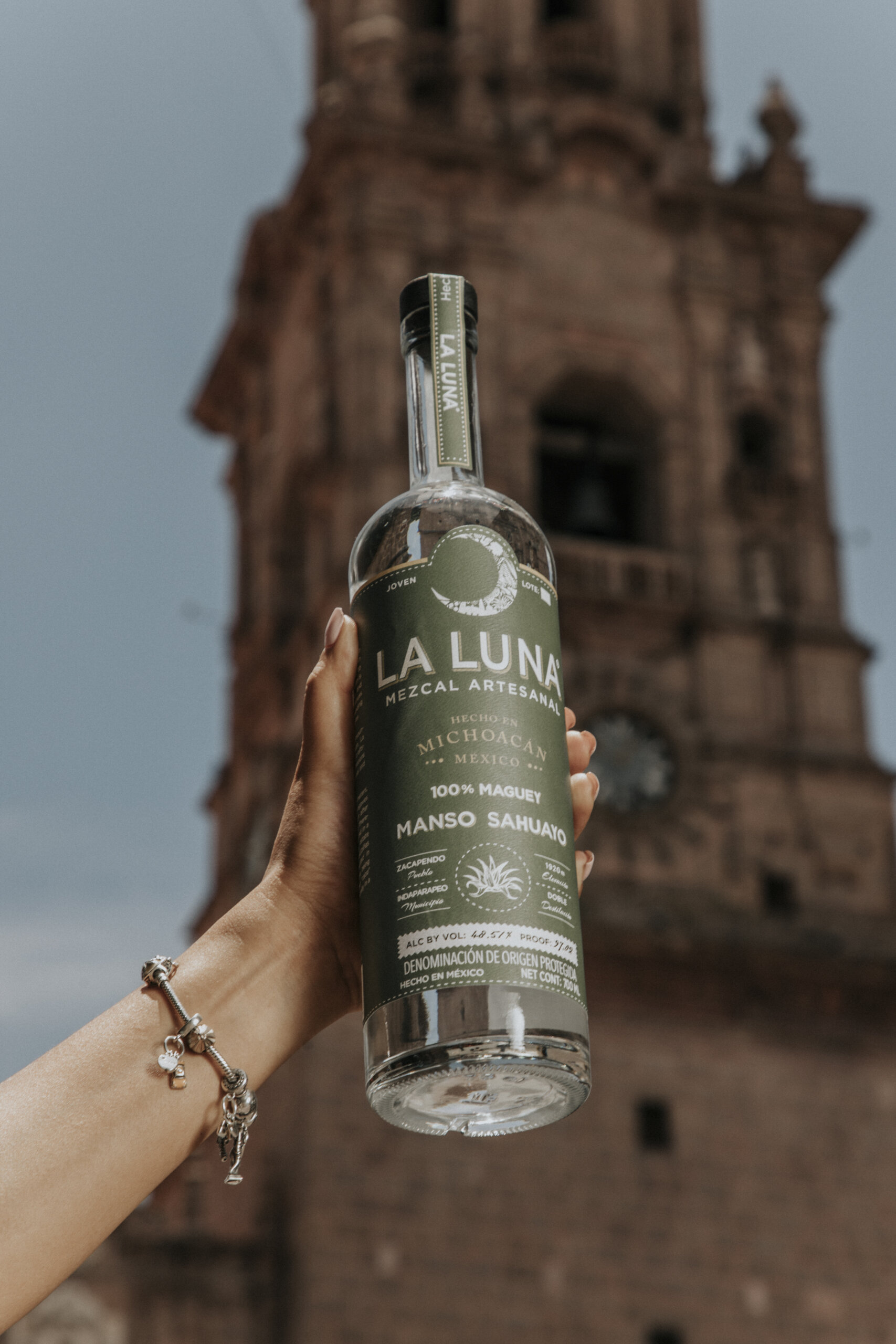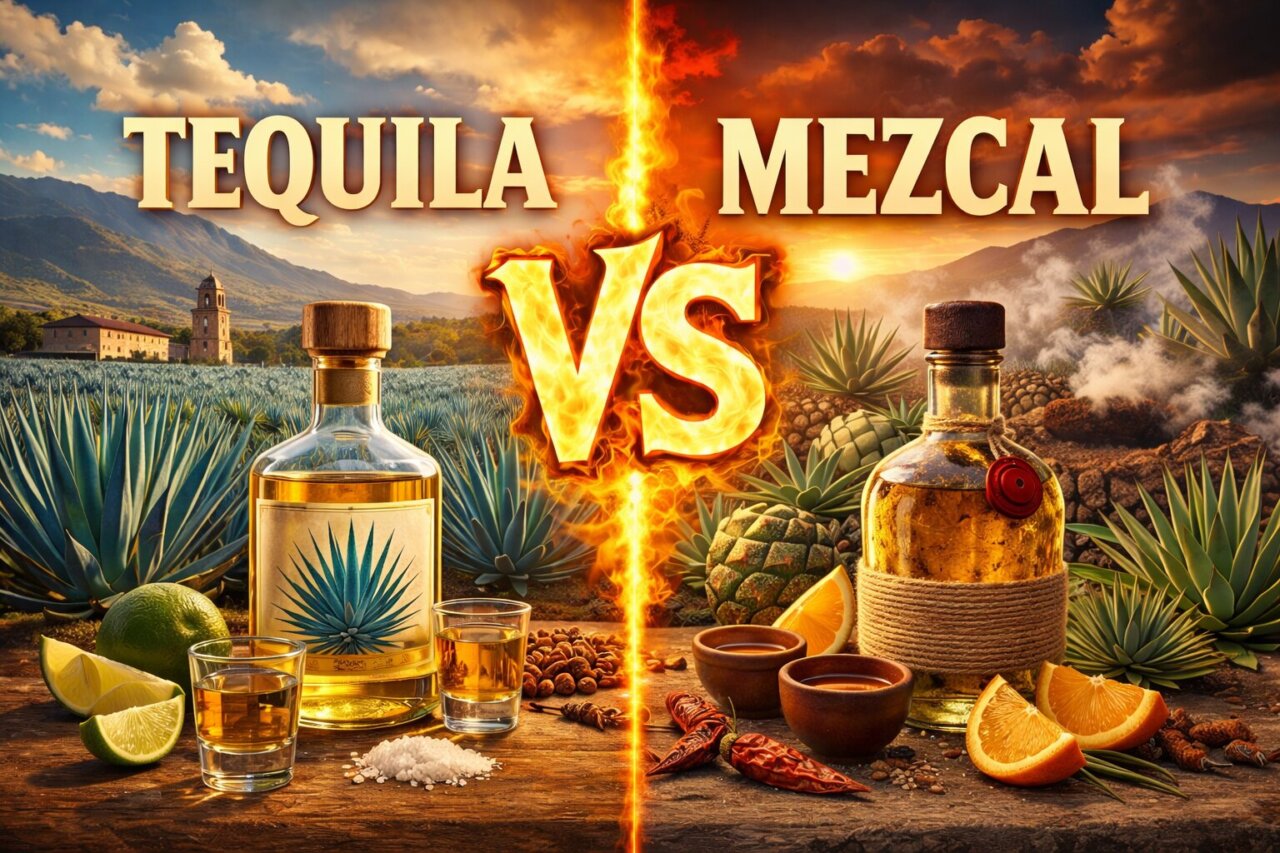
Tequila and mezcal are often grouped together as agave spirits, yet their flavors and aromas tell two distinctly different stories. Both are produced from agave plants, but differences in agave species, terroir, cooking methods, fermentation, and distillation shape how each spirit smells and tastes in the glass.
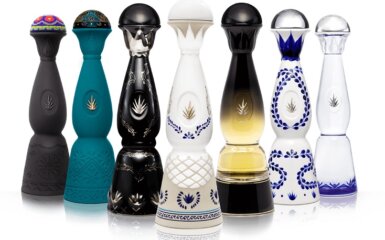
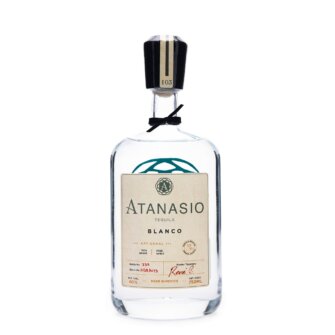
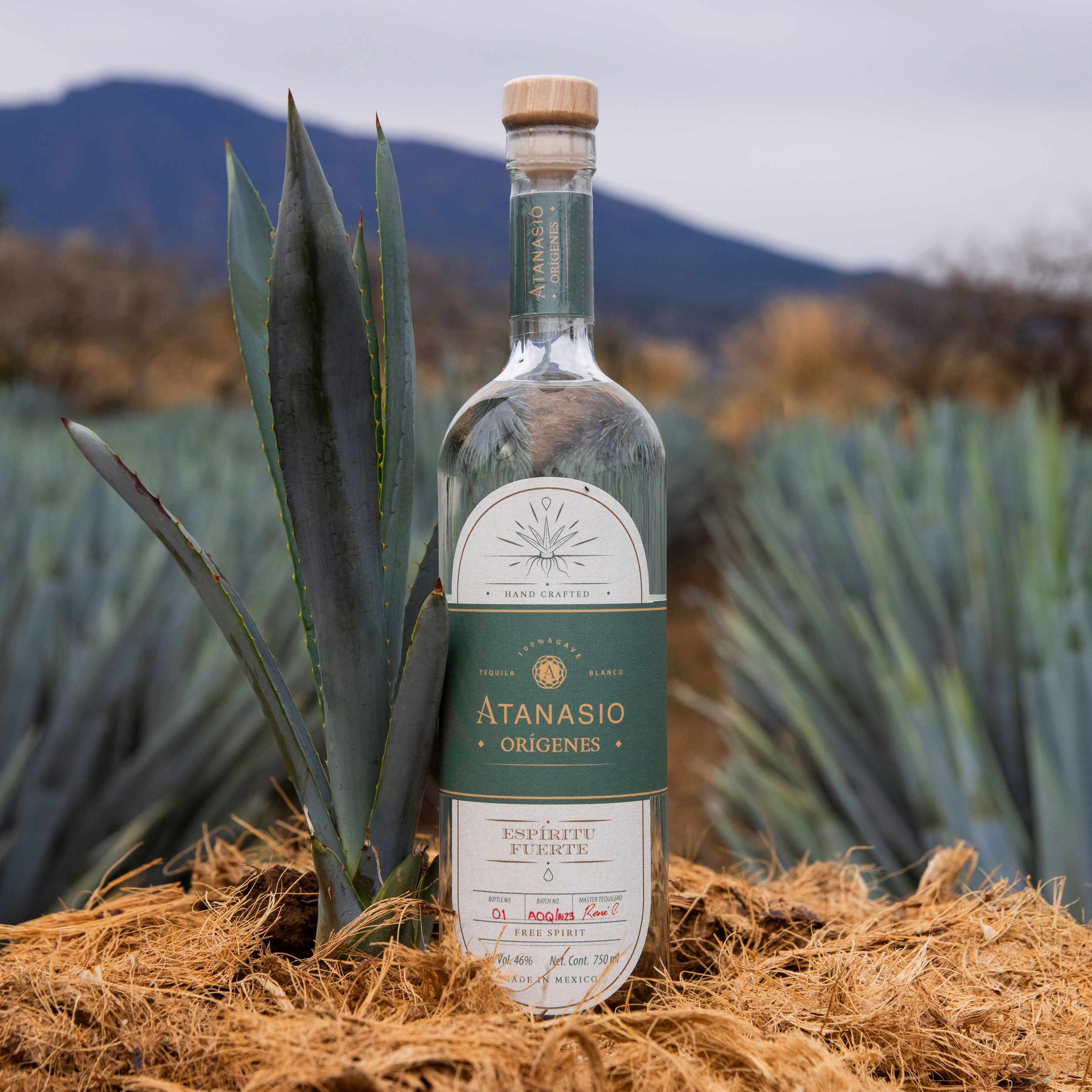
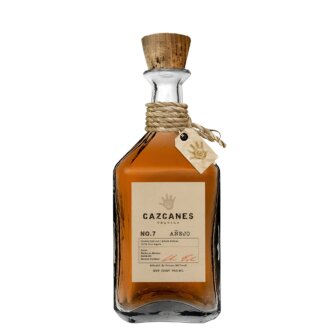
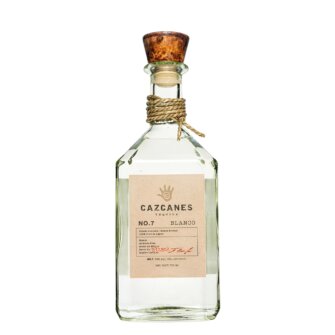
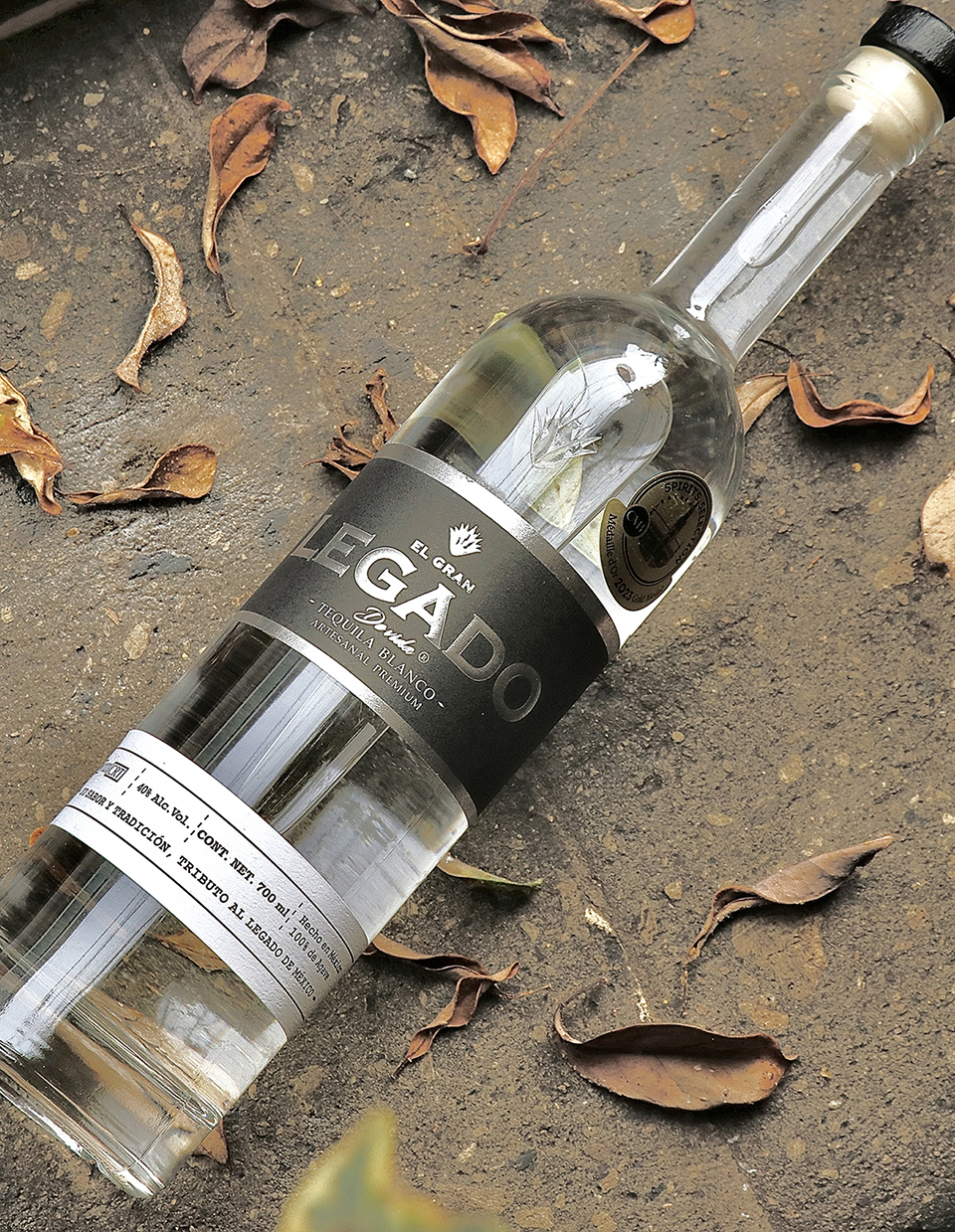
Tequila is produced exclusively from Blue Weber agave. Using a single species creates consistency and a recognizable sensory profile. On the nose, tequila commonly presents cooked agave, citrus peel, fresh herbs, and gentle sweetness. On the palate, these aromas translate into clean agave sweetness, white pepper, light fruit, and a structured, polished mouthfeel.
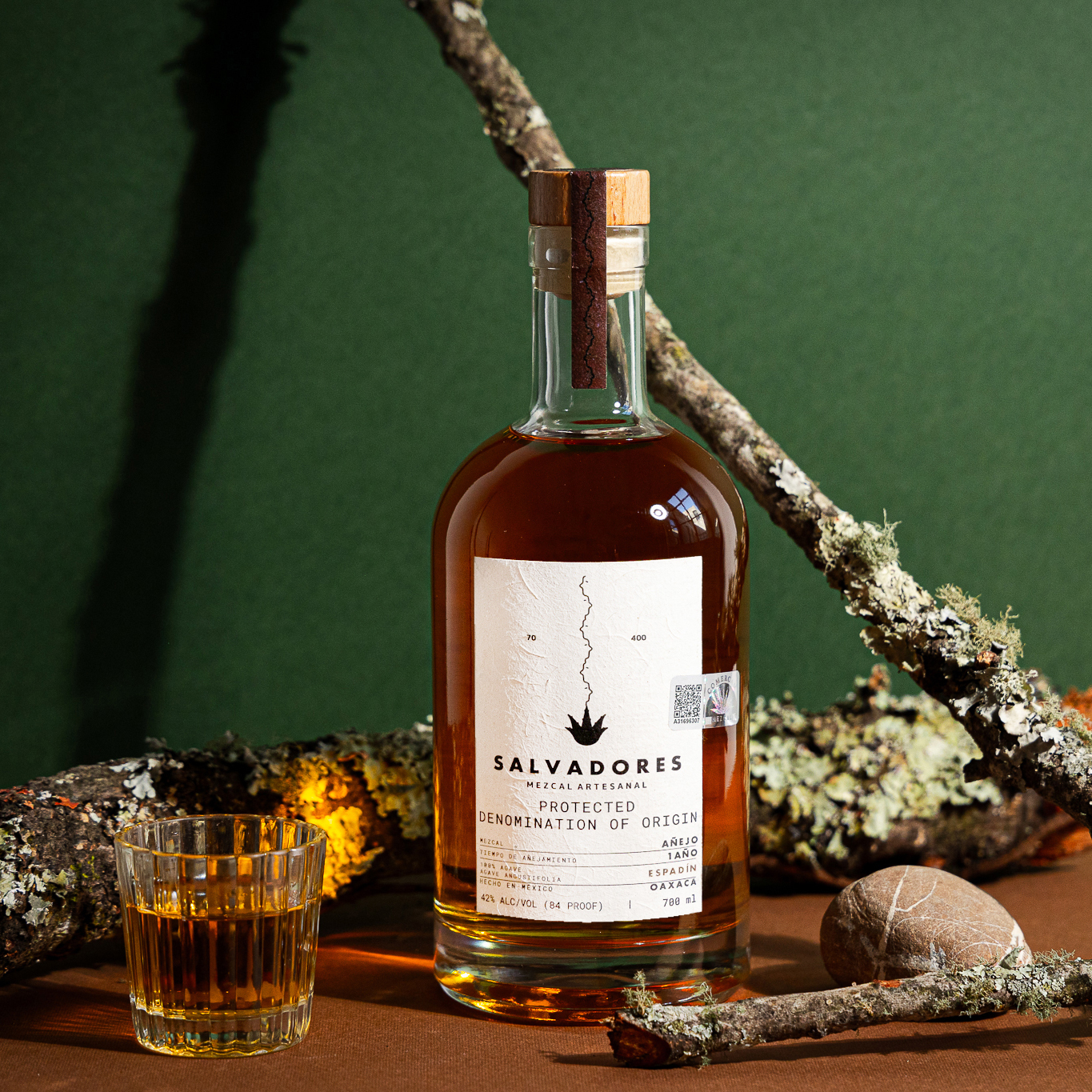
Mezcal, by contrast, can be produced from more than thirty agave species, including Espadín, Tobalá, Tepeztate, and Arroqueño. Each species contributes not only a distinct aromatic identity but also unique flavors, ranging from floral and herbal to earthy, bitter, fruity, or mineral-driven. This botanical diversity alone explains the wide sensory range found in mezcal.
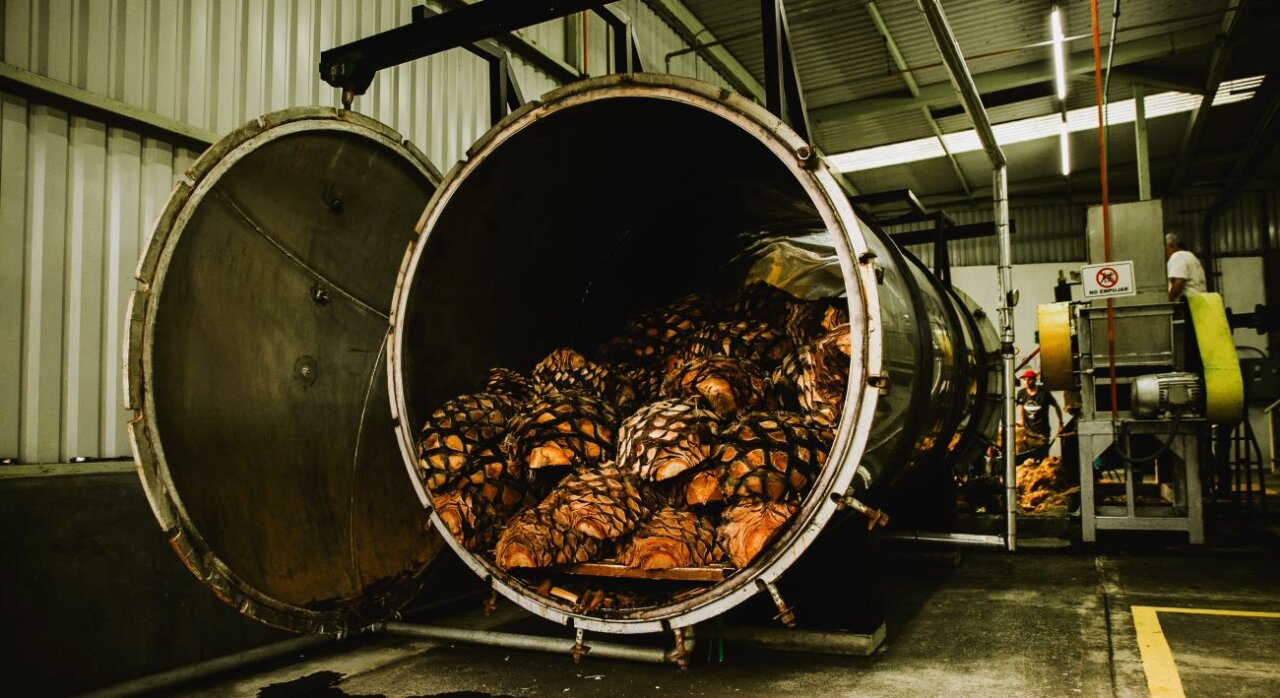
Agaves used for tequila are typically cooked in brick ovens or modern autoclaves. These methods gently convert agave starches into fermentable sugars. Aromatically, this results in notes of cooked pumpkin, honey, citrus, and mild spice. On the palate, tequila remains clean and sweet, emphasizing balance and clarity rather than intensity. Autoclaves tend to highlight freshness and brightness, while traditional ovens produce deeper sweetness and rounder texture.
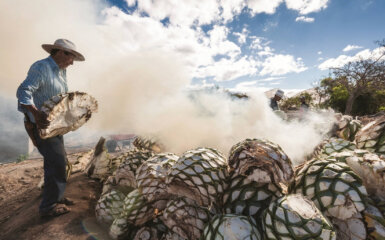
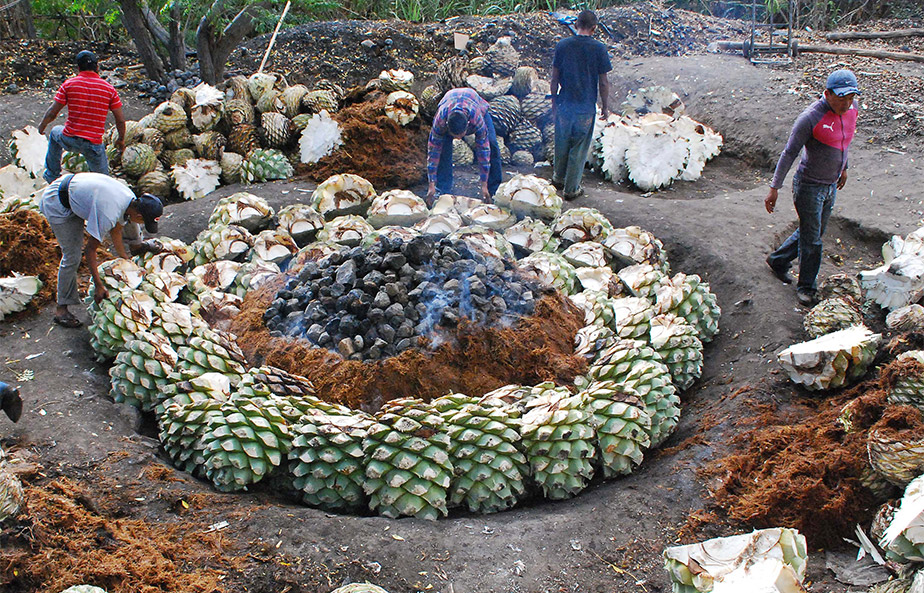
Agaves used for mezcal are traditionally cooked in underground pit ovens lined with hot stones. The agave hearts are roasted for several days, covered with fibers and earth. This process introduces smoky compounds through direct fire contact and caramelization. Smoke is the most recognizable mezcal aroma, but it is only one layer. Roasting also generates aromas of cocoa, roasted nuts, coffee, leather, and charred fruit. On the palate, these translate into savory depth, bitterness, umami, and long, evolving finishes. Smoke intensity varies depending on oven size, wood type, and roasting time.
Fermentation further separates the two spirits. Many tequila producers ferment the cooked agave sugars using cultivated yeast in stainless steel tanks. This approach promotes consistency and clean aromas such as citrus, green apple, pepper, and light tropical fruit, resulting in a smooth, controlled palate. Some traditional tequila producers ferment with wild yeast in open vats, adding restrained complexity without overwhelming the core agave character.
Mezcal fermentation is usually spontaneous, relying on wild yeasts and bacteria from the local environment. Fermentation often takes place in open wooden vats, stone tanks, or animal hides. This introduces aromas of ripe fruit, earth, and fermented pineapple. On the palate, mezcal may show pronounced acidity, texture, and savory or lactic notes, sometimes reminiscent of yogurt or overripe fruit. These characteristics can be challenging at first, but they are central to mezcal’s identity.
Distillation choices also influence aroma, flavor, and texture. Tequila is commonly distilled in stainless steel or copper pot stills, preserving purity and structure. Mezcal is traditionally distilled in small copper or clay pot stills. Clay stills, in particular, contribute mineral and earthy nuances while softening the spirit’s texture.
Terroir plays a stronger sensory role in mezcal than in tequila. Many agaves used for mezcal grow wild in mountainous regions with poor soils, leading to concentrated sugars and minerals. This is expressed as aromas of wet stone, flint, clay, and desert herbs, alongside dry, mineral-driven flavors. Agaves used for tequila are cultivated at scale in Jalisco, where terroir still matters, but is expressed more subtly and consistently.
In summary, tequila tends toward clean aromas and flavors of sweet agave, citrus, herbs, pepper, and balanced oak when aged. Mezcal offers a broader and more expressive sensory spectrum, combining smoke, earth, minerals, fermentation-driven complexity, and pronounced texture. Tequila speaks with clarity and polish. Mezcal speaks with depth, intensity, and a strong sense of place.