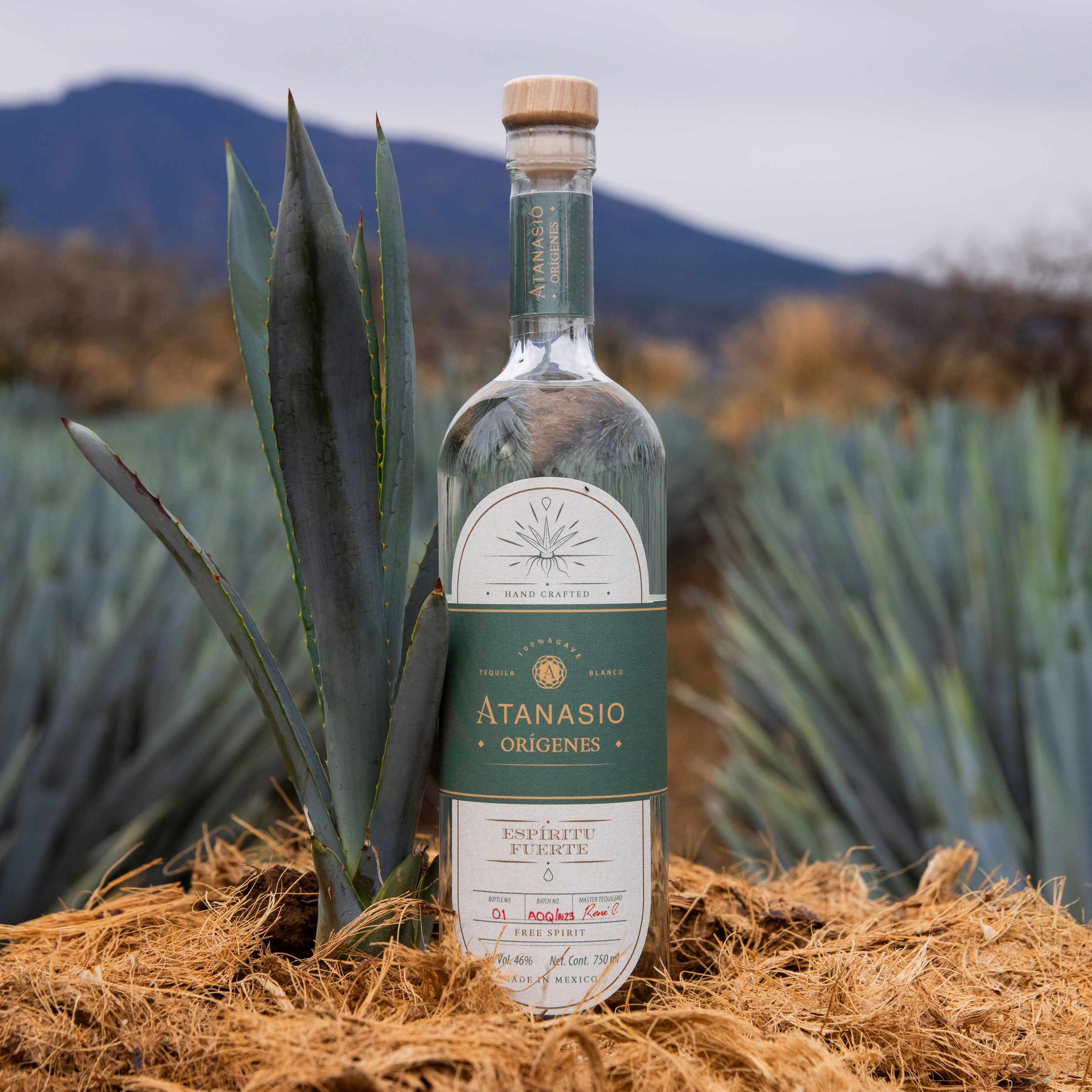
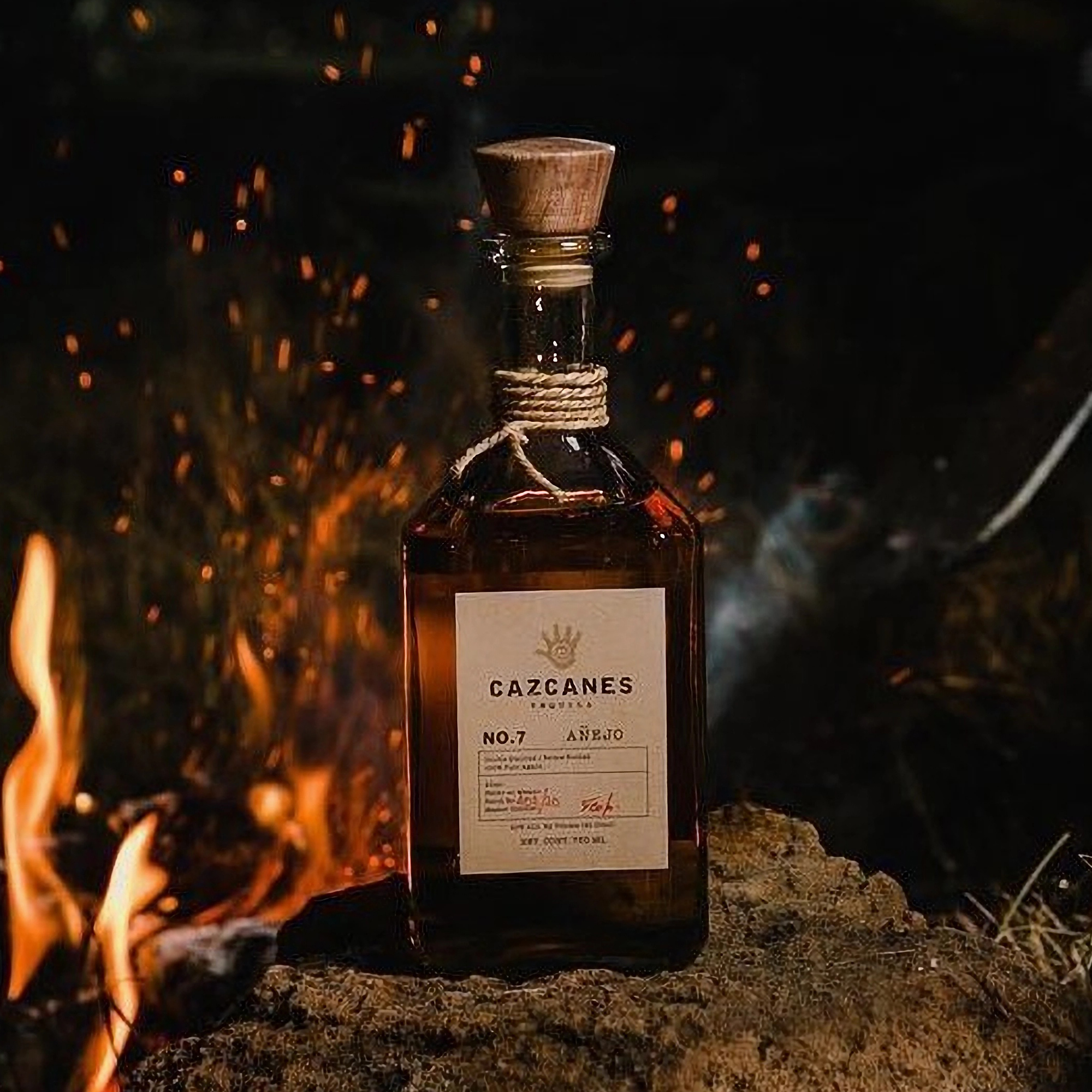
Consumers are no longer satisfied with just a nice bottle or a trendy label—they want honesty. They want to know what’s in the bottle. And increasingly, they’re demanding additive-free spirits.
This shift toward transparency is redefining what it means to drink premium agave spirits. But as the demand grows, so does the tension—particularly between independent watchdogs and regulatory bodies in Mexico.
What Does “Additive-Free” Really Mean?
In Mexican regulations, producers of tequila are allowed to use certain additives in their spirits—up to 1% of the total volume—without disclosing it on the label. These additives include:
- Glycerin (for smoothness)
- Caramel coloring (for a darker appearance)
- Oak extract (to mimic barrel aging)
- Sugar-based flavorings (to sweeten and round the taste)
While legal, these additions can drastically change the flavor, texture, and color of tequila or mezcal, creating an impression of age or quality that may not be authentic.
On the other hand, additive-free means the spirit contains only what’s naturally produced from agave: no sweeteners, no enhancers, no coloring—just agave, water, yeast, and time.
Why Do Consumers Care?
The move toward additive-free spirits mirrors broader global trends. People are paying more attention to ingredient labels—on food, skincare, and now, even their alcohol. For many, transparency equals trust.
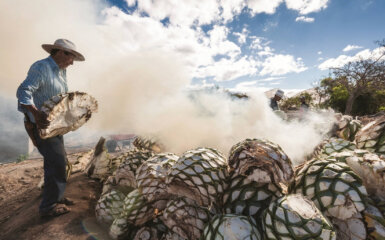
Beyond health or lifestyle preferences, this trend is also about authenticity. Additive-free tequila and mezcal are often produced using traditional methods: slow cooking in brick ovens, fermentation with native yeasts, and open-air distillation. These processes allow the true character of the agave to come through.
For connoisseurs, it’s like the difference between a mass-produced wine and one from a small, biodynamic vineyard. You’re not just buying flavor—you’re buying story, place, and integrity.
The Role of Tequila Matchmaker—and the Controversy
One of the most influential players in the additive-free movement has been the platform Tequila Matchmaker, a widely used app and website developed by American agave enthusiasts Grover Sanschagrin and Scarlet Sanschagrin. Their database includes thousands of tequilas, distillery information, and user reviews.
More importantly, they created a voluntary “Additive-Free” verification program, where brands agree to on-site inspections and lab analysis to confirm that no additives are used. For years, this unofficial certification became a trusted signal among consumers and retailers looking for clean, traditional tequilas.
However, in 2024, the CRT (Consejo Regulador del Tequila)—the official governing body for tequila in Mexico—filed a lawsuit against the creators of Tequila Matchmaker. The CRT alleged that the platform was misleading the public by issuing certifications without formal regulatory authority.
This legal challenge stirred debate across the industry. Supporters of Tequila Matchmaker argue that the CRT has been too lenient with industrial producers and not transparent enough in distinguishing truly traditional spirits. Critics, however, believe that any form of certification should come from official institutions, not private actors.
As of now, the legal case is ongoing, and its outcome could shape the future of tequila marketing for years to come.
So Where Does That Leave Consumers?
The lawsuit highlights a fundamental tension: the clash between grassroots consumer-driven transparency and institutional control. And for drinkers, it raises the question—how do you know what you’re drinking?
The good news is, there are still practical steps consumers can take:
- Look for NOM numbers: Every bottle of tequila has a NOM (Norma Oficial Mexicana) number showing the distillery where it was produced. Some NOMs are known for producing multiple brands with traditional, additive-free methods.
- Ask questions: Whether you’re at a bar or buying online, don’t be shy—ask if a brand is confirmed additive-free, or if it uses traditional production techniques.
- Trust your palate: Additive-laced tequilas often taste unnaturally sweet, smooth, or flavored with vanilla and butterscotch. Real, unadulterated agave spirits have earthy, vegetal, spicy, and mineral notes.
- Support transparency: Follow producers, importers, and reviewers who value honest production. Even without formal certification, many small distilleries are open about their methods and ingredients.
More Than a Trend: A Return to Tradition
What’s happening now isn’t just a fad—it’s a return to how tequila and mezcal were meant to be. Before industrialization, these spirits were always additive-free by default. Today’s movement is about reclaiming that heritage in a modern world full of shortcuts.
Distillers who choose to produce additive-free often sacrifice volume and consistency in favor of flavor and integrity. They’re the artisans who believe that agave, in its purest form, needs no help to shine.
Final Thoughts
The surge in demand for additive-free tequila and mezcal is a sign that drinkers are becoming more conscious, curious, and discerning. While the legal dispute between Tequila Matchmaker and the CRT raises questions about authority and labeling, it also proves that consumers care—deeply—about what they’re drinking. As the conversation evolves, one thing remains clear: in the world of agave spirits, transparency is the new luxury.