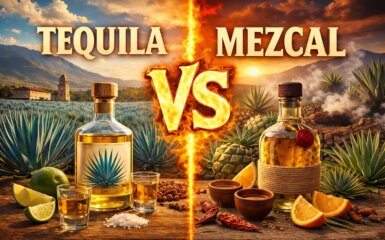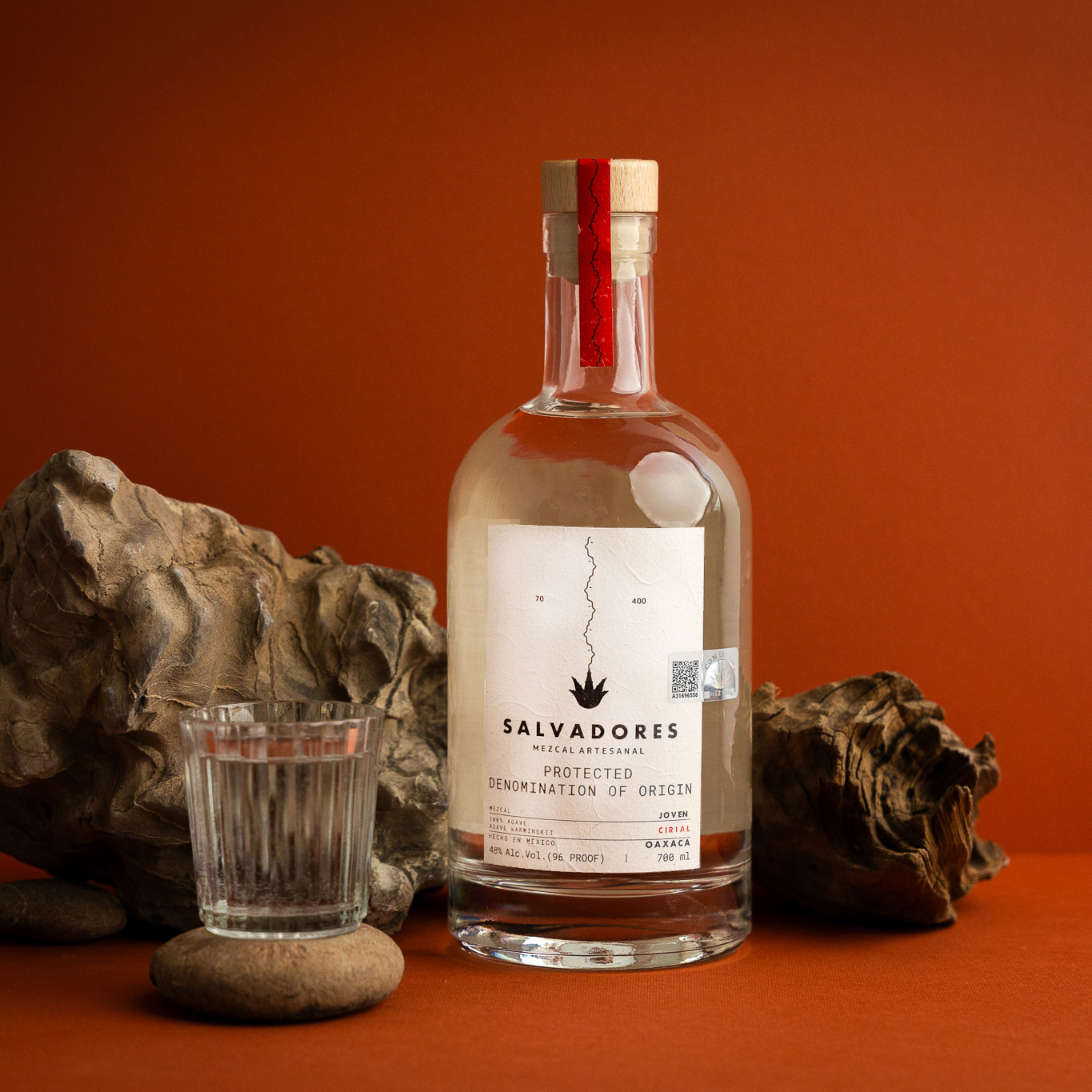
Word of mouth plays a crucial role in shaping consumer decisions, sometimes even outweighing the actual attributes of a product. This is especially true in the world of premium tequila and mezcal, where reputation, storytelling, and branding influence purchasing behavior more than objective quality.
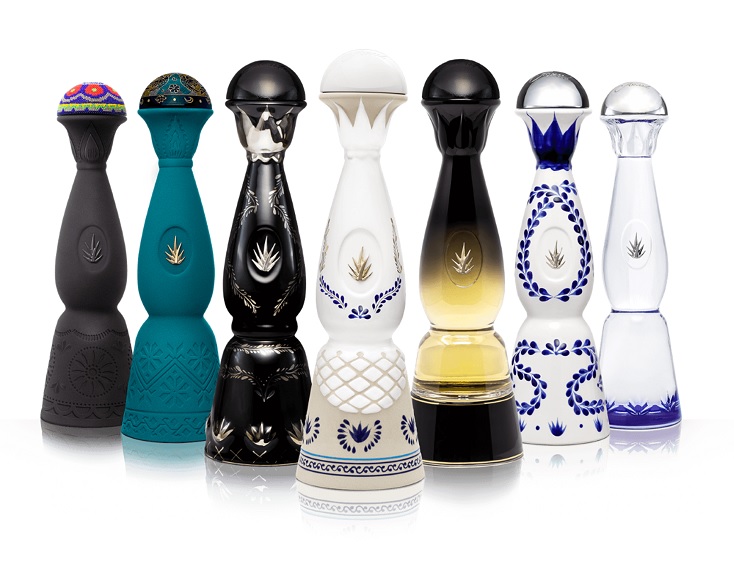
A prime example is how many consumers associate tequila with mass-market brands that prioritize smoothness over complexity. These brands, often backed by celebrity endorsements and aggressive marketing, dominate conversations, making them the default choice for many. With large-scale marketing budgets, these brands create a sense of ubiquity, leaving little room for smaller, artisanal brands to be seen. In this context, the market doesn’t always reward authenticity or craftsmanship but rather familiarity. Many consumers will gravitate toward the well-known brand without questioning how it’s made or whether it aligns with their values.
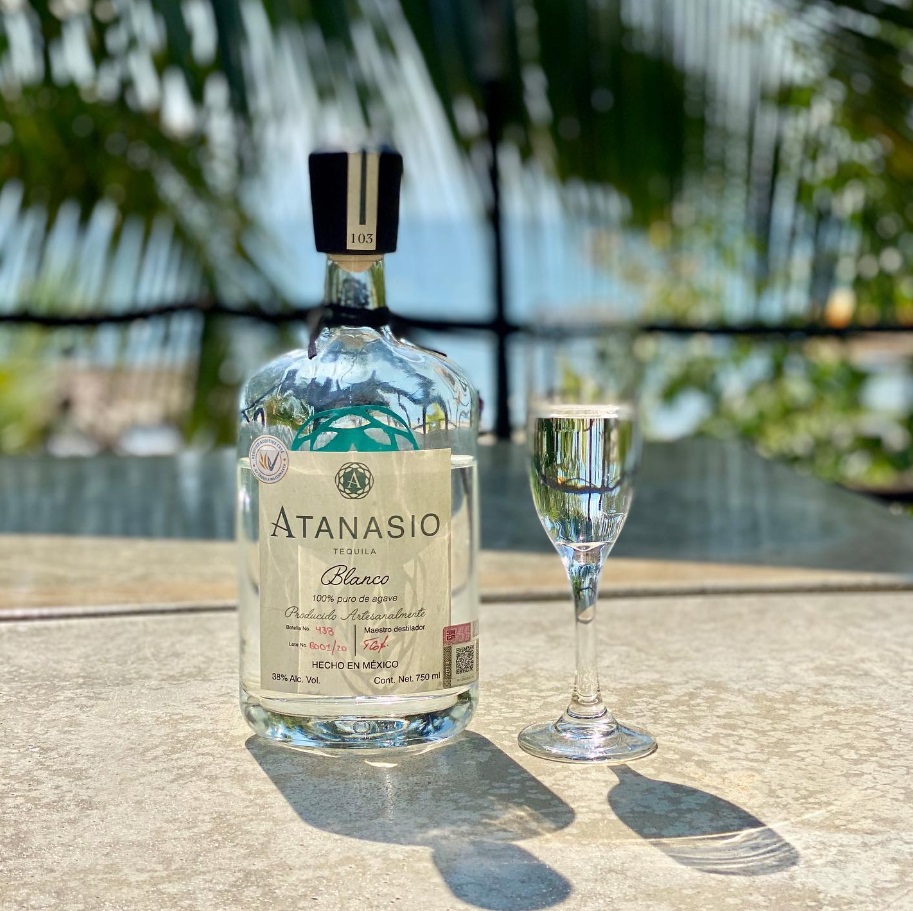
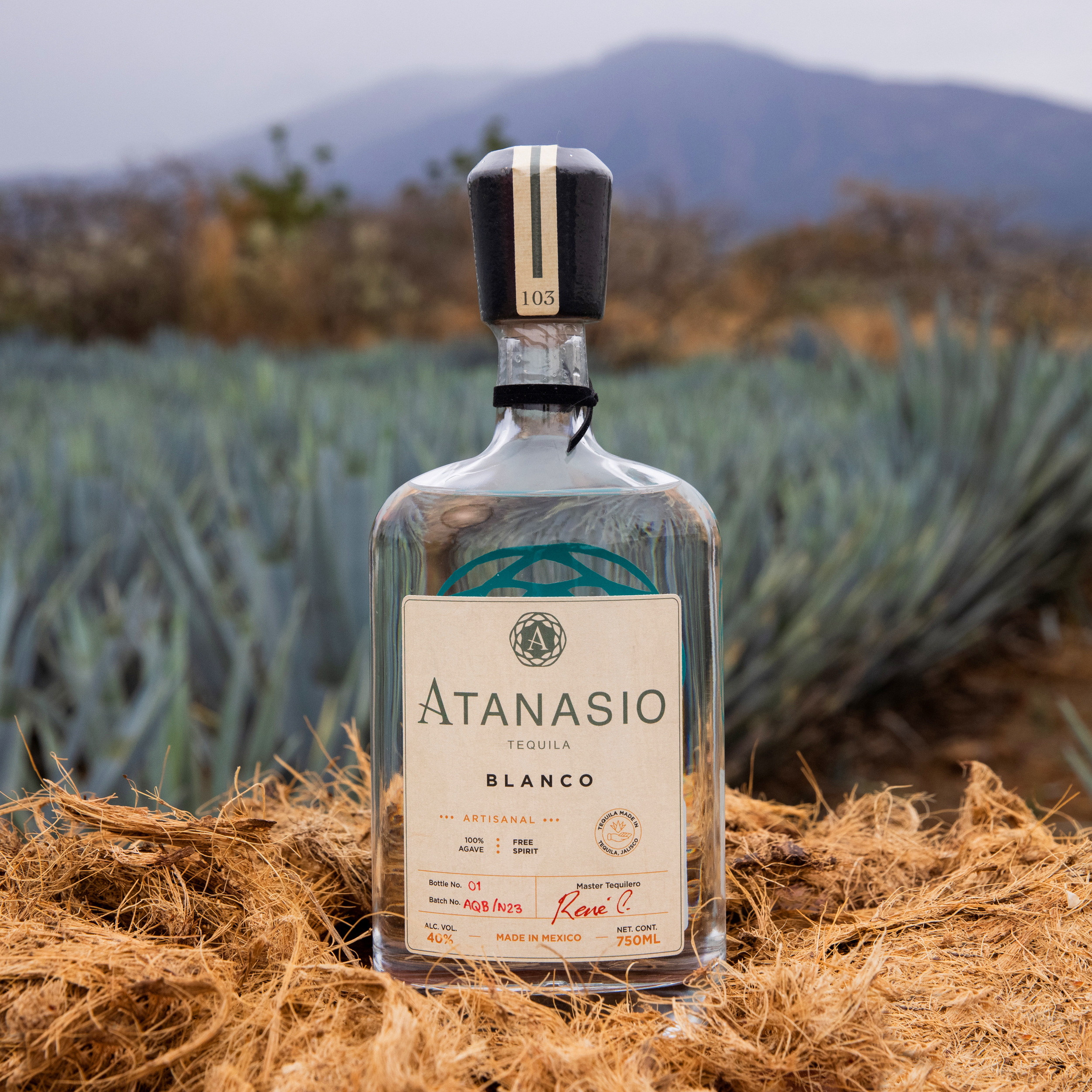
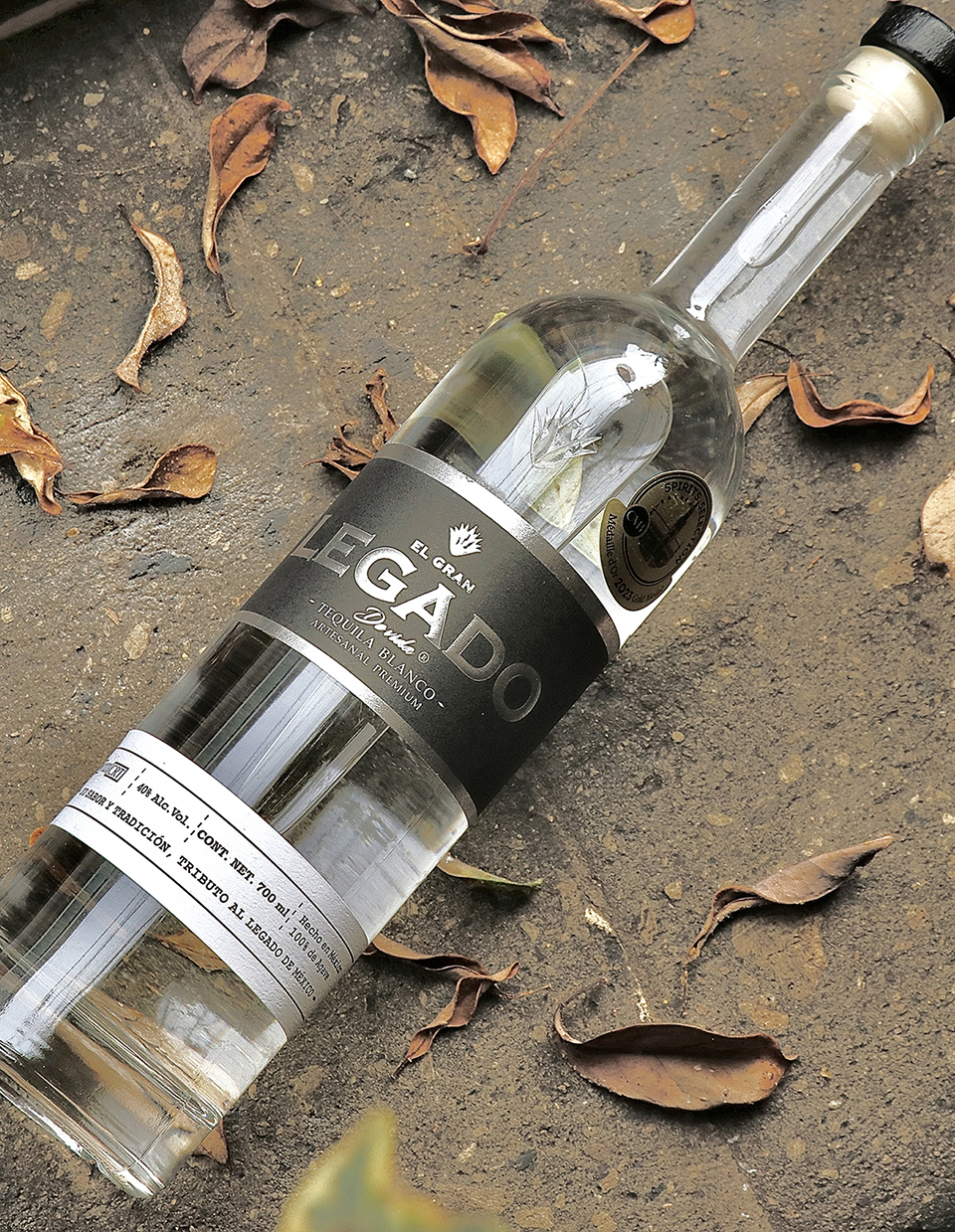
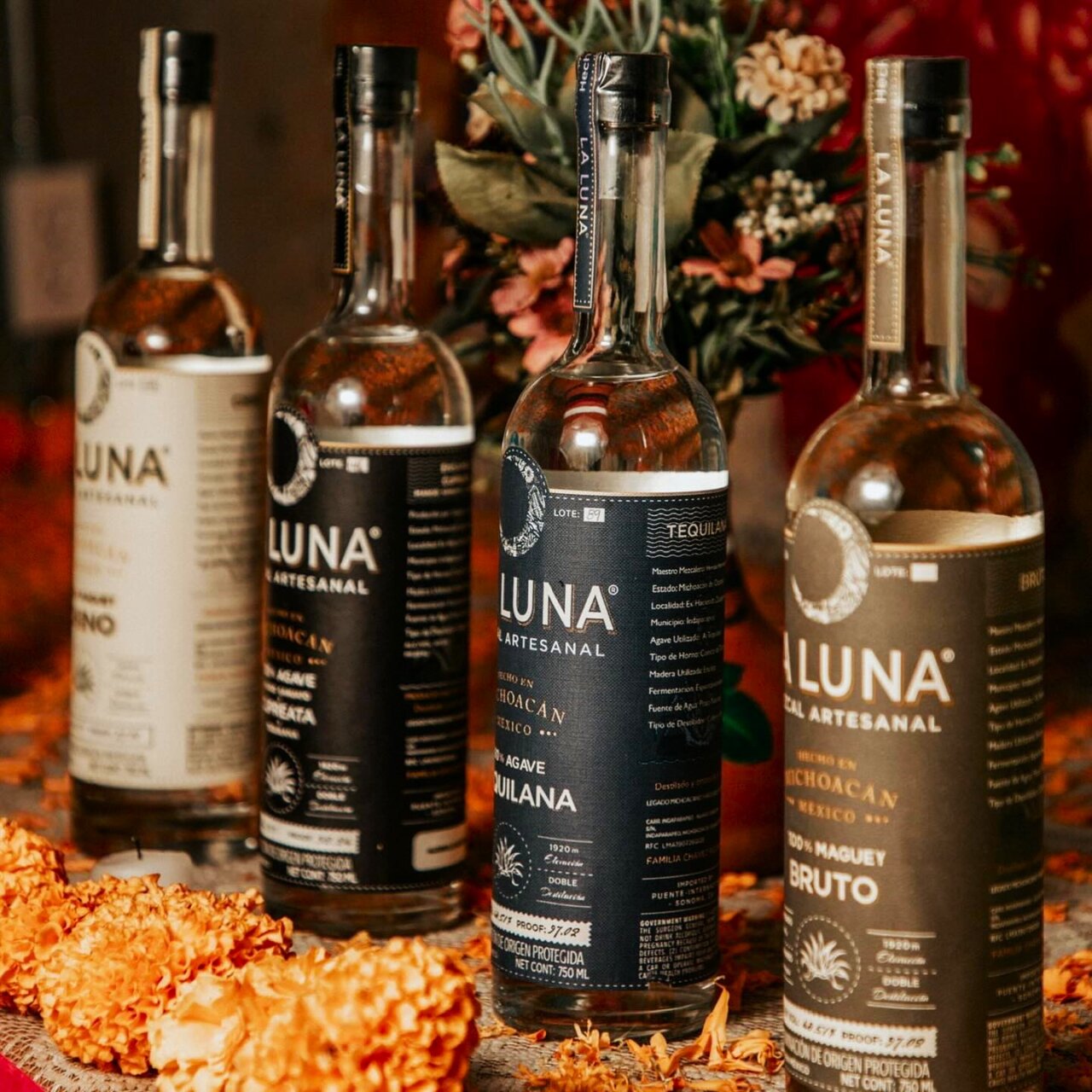
Meanwhile, traditionally crafted, additive-free tequilas—rich in flavor and complexity—struggle for visibility despite being far superior in quality. These products are often made by smaller distilleries that lack the resources for massive advertising campaigns. However, they offer a much more nuanced and authentic experience, focusing on sustainability, local traditions, and artisanal methods. If people around you are drinking a well-known but industrially produced tequila, chances are you’ll assume it’s the best option without questioning its true essence. This highlights how powerful consumer perception can be in the spirits industry, where reputation sometimes trumps intrinsic quality.
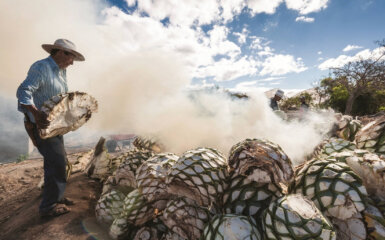
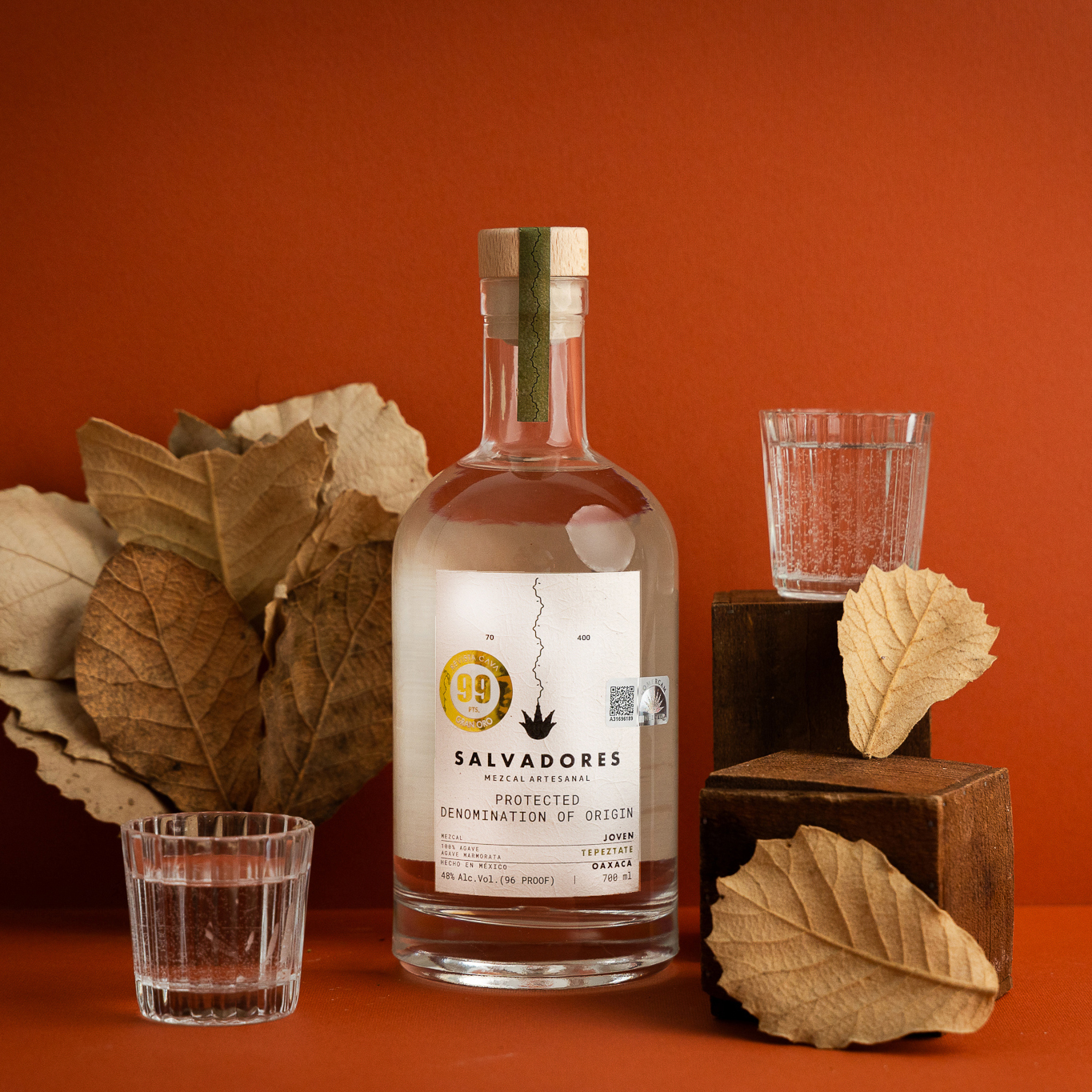
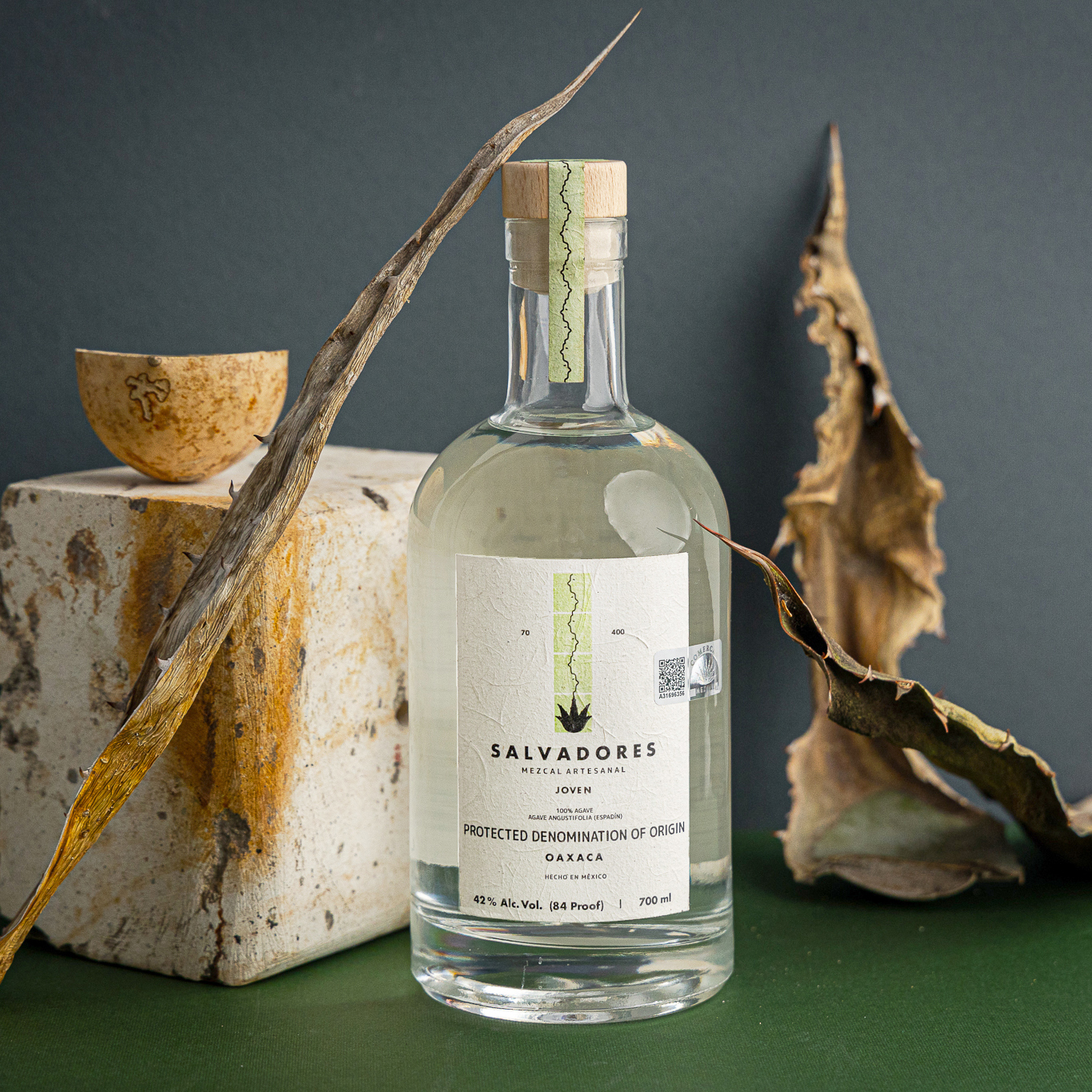
A similar phenomenon exists in the mezcal world. While artisanal mezcal boasts deep regional traditions, diverse agave varieties, and intricate production methods, newcomers often gravitate toward brands they’ve heard of rather than seeking out truly authentic expressions. Mezcal, with its deep connection to indigenous communities and ancestral knowledge, faces an uphill battle when it comes to consumer awareness. Conversations, social media trends, and influencer recommendations shape preferences even before someone has tasted the product. The allure of trendy, widely available brands can overshadow the more complex, locally sourced expressions that offer a richer cultural experience.
This behavior isn’t unique to spirits. In the coffee industry, for example, many consumers believe that darker roasts are stronger or contain more caffeine, when in reality, lighter roasts often preserve more caffeine and nuanced flavors. Similarly, in the olive oil market, people frequently assume that extra virgin olive oil with a bright green color is superior, despite the fact that color alone is not an indicator of quality. These misconceptions show how our choices are often based on marketing and perception rather than the actual characteristics of a product.
Ultimately, consumer decisions are shaped by narratives rather than facts. In tequila and mezcal, this means education and storytelling are just as critical as production methods. Understanding the difference between an additive-free, small-batch mezcal and an industrial product can help consumers make more informed choices. Shifting perceptions takes time, but as more people talk about authenticity, craftsmanship, and sustainability, the market will follow. The rise of niche influencers, artisanal product advocates, and sustainability movements is already helping shape the future of spirits consumption.
As these conversations grow louder and more people demand transparency in how their spirits are made, there’s hope for a shift in the tequila and mezcal market. The potential for a more educated, conscious consumer base offers an exciting opportunity for small-scale, high-quality producers to carve out a place for themselves, ensuring that quality, not just perception, becomes the driving force behind purchasing decisions.